×

Common Causes of Falls in Older Adults and How to Prevent Them

Falls in older adults are a leading cause of injury, particularly affecting the feet and ankles. These incidents often result from a combination of physical, medical, and environmental factors. Aging can bring changes in strength, flexibility, and coordination, all of which play a role in maintaining balance. Understanding the underlying causes of falls allows for better prevention and safer daily living.

Symptoms that may indicate an increased risk of falling include poor balance, slower reaction times, and difficulty walking on uneven surfaces. Vision loss can make it harder to judge distances or detect obstacles. Medication side effects may cause dizziness or confusion, further increasing risk. Some seniors also develop a fear of falling, which may limit activity and lead to decreased muscle strength and stability.


Risk factors for falls include balance disorders, chronic health conditions, and unsafe living environments. Cluttered spaces, loose cords, and uneven flooring can create tripping hazards. Inadequate lighting makes it difficult to navigate safely, especially at night. Foot pain or improper footwear can also contribute to instability, increasing the chance of losing balance during movement.


Preventing falls involves making practical changes that improve safety and confidence. Installing grab bars in key areas, such as bathrooms, improving lighting in hallways and stairways, and removing tripping hazards can greatly reduce risk. Wearing supportive shoes and regular movement can help maintain strength and coordination. Taking these steps can help seniors stay active and independent. If you have fallen and have injured your foot or ankle, it is suggested that you consult a podiatrist for effective relief and treatment solutions.

Preventing falls among the elderly is very important. If you are older and have fallen or fear that you are prone to falling, consult with Dr. Todd Goldberg from Complete Family Foot Care Center. Our doctor will assess your condition and provide you with quality advice and care.

Every 11 seconds, an elderly American is being treated in an emergency room for a fall related injury. Falls are the leading cause of head and hip injuries for those 65 and older. Due to decreases in strength, balance, senses, and lack of awareness, elderly persons are very susceptible to falling. Thankfully, there are a number of things older persons can do to prevent falls.

How to Prevent Falls

Some effective methods that older persons can do to prevent falls include:

  • Enrolling in strength and balance exercise program to increase balance and strength
  • Periodically having your sight and hearing checked
  • Discuss any medications you have with a doctor to see if it increases the risk of falling
  • Clearing the house of falling hazards and installing devices like grab bars and railings
  • Utilizing a walker or cane
  • Wearing shoes that provide good support and cushioning
  • Talking to family members about falling and increasing awareness

Falling can be a traumatic and embarrassing experience for elderly persons; this can make them less willing to leave the house, and less willing to talk to someone about their fears of falling. Doing such things, however, will increase the likelihood of tripping or losing one’s balance. Knowing the causes of falling and how to prevent them is the best way to mitigate the risk of serious injury.  

If you have any questions, please feel free to contact our office located in Littlestown, PA . We offer the newest diagnostic and treatment technologies for all your foot care needs.

Read more about Falls Prevention

Risks of Wearing Flip-Flops

Flip-flops may feel light and easy to wear, but they often provide very little support for the feet. Many styles are flat, thin, and flexible. This can place extra strain on the arches, heels, and toes. Because the foot has to work harder to keep the sandal in place, walking patterns may change over time. This can lead to foot pain or discomfort in other areas of the body. Wearing flip-flops often may increase the risk of plantar fasciitis, heel pain, or tendon strain. They also leave much of the foot exposed, making cuts or scrapes more likely during daily activities.


A podiatrist can evaluate foot pain related to flip-flop use and identify which structures are being affected. During an examination, the podiatrist may check foot alignment, joint movement, and areas of increased pressure. They can also determine whether a condition, such as plantar fasciitis or tendon irritation, is causing symptoms. Treatment depends on the diagnosis and may include custom orthotics, supportive footwear recommendations, or other medical care to reduce pain and improve foot function. A podiatrist can also explain how footwear choices may be contributing to stress on the feet and ankles.


Professional podiatry care can help address pain before it becomes a long-term problem. Early evaluation may reduce the risk of ongoing inflammation, balance issues, or changes in the way you walk. Footwear-related pain should not be ignored, especially when it affects daily movement or comfort. A podiatrist creates a treatment plan based on your symptoms, foot structure, and activity level. Professional treatment of foot pain can support healthier movement and help protect your long-term foot health. If flip-flops are causing foot pain, it is suggested that you consult a podiatrist for an evaluation.

Flip-flops are not always the best choice of footwear. If you have any concerns about your feet or ankles, contact Dr. Todd Goldberg from Complete Family Foot Care Center. Our doctor will assist you with all of your foot and ankle needs.

Flip-Flops and Feet

When the weather starts warming up, people enjoy wearing flip-flops.  Flip-flops are comfortable, stylish, and easy to slip on and off; they're perfect for any summer beach goer.  However, these shoes can cause harm to the feet.

How Can Flip-Flops Affect Me Long-Term?

  • Ankle problems
  • Hip problems
  • Lower back problems
  • Pain in the balls of the feet
  • Problems with foot arches
  • Changes in the way you walk

Are There Injuries Associated with Flip-Flops?

Yes.  Since flip-flops are relatively weak and do not provide the same amount of support as sneakers, people who wear flip-flops regularly are more susceptible to injuries. On top of that, the open nature of the shoe makes your feet more prone to other problems, such as cuts and even infections.  Common injuries and ailments include:

  • Sprained ankles
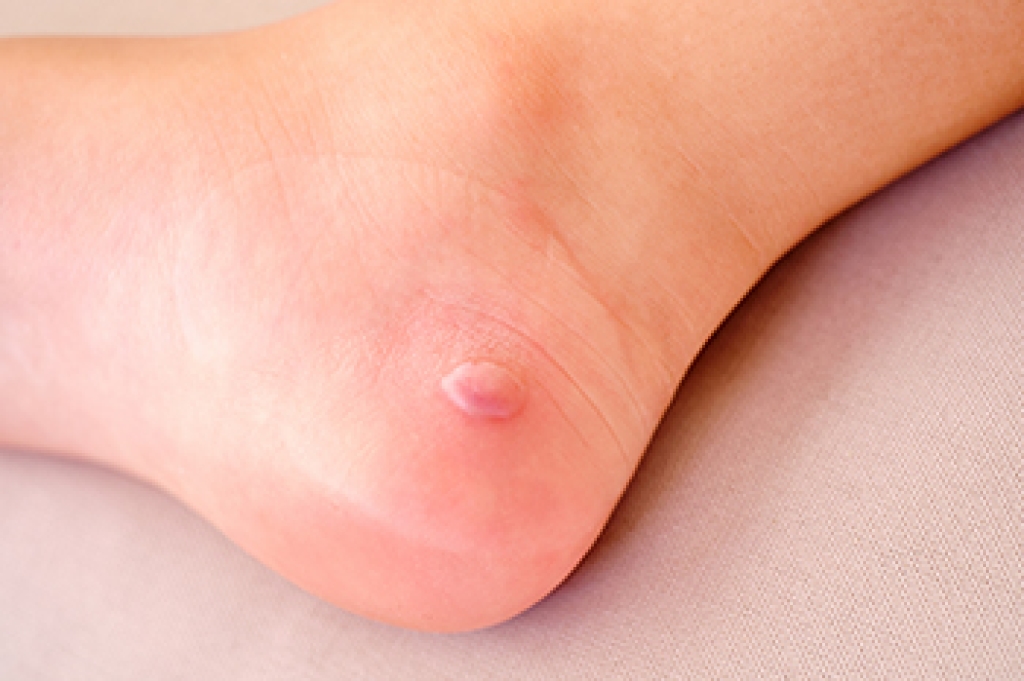
  • Blisters
  • Infections
  • Cuts and Scrapes

I like Wearing Flip-Flops. Are There Safe Alternatives?

When buying flip-flops, try to find ones that have sturdy soles and that are made of high-quality materials that will support for your feet.  These flip-flops will cost more but will also last longer as a result.

If you have any questions, please feel free to contact our office located in Littlestown, PA . We offer the newest diagnostic and treatment technologies for all your foot care needs.

Read more about Flip Flops and Feet

How Foot Biomechanics Guide the Right Running Shoe Choice

Choosing the right running shoes is essential for comfort, performance, and injury prevention. Running shoes are designed to support the foot during repetitive impact, but the best choice depends on individual foot biomechanics. This includes how the foot moves during walking or running, known as pronation. Understanding whether a person has overpronation, supination, or neutral pronation helps guide proper shoe selection. Each pattern affects how weight is distributed across the foot and how forces are absorbed.

Symptoms of improper shoe selection may include arch pain, shin discomfort, or recurring injuries. Overpronation occurs when the foot rolls inward excessively, placing strain on the arch and inner ankle. Supination, also known as underpronation, happens when the foot rolls outward, reducing shock absorption and increasing stress on the outer foot. Neutral pronation represents a balanced movement where weight is distributed evenly, allowing for efficient stride and reduced strain.


Risk factors for choosing the wrong running shoes include lack of knowledge about foot structure, improper fitting, and selecting shoes based only on appearance. Runners who train on hard surfaces, such as pavement, require road running shoes that provide cushioning and support. Stability running shoes are recommended for individuals with overpronation, as they help control excessive inward motion. Neutral running shoes are designed for those with balanced foot mechanics and provide flexible cushioning without added correction.


The cause of many running related injuries can be traced to mismatched footwear and poor biomechanical support. Proper assessment of foot type and gait is key to selecting the right shoe. This can improve alignment, reduce stress, and enhance overall comfort. Understanding foot biomechanics empowers runners to make informed decisions and maintain long-term foot health. If you have foot pain from wearing the wrong running shoes, it is suggested that you consult a podiatrist who can offer effective relief solutions and guide you on how to choose shoes that are right for you.

You should always make sure your running shoes fit properly in order to avoid injury. For more information, contact Dr. Todd Goldberg from Complete Family Foot Care Center. Our doctor can provide the care you need to keep you pain-free and on your feet.

Choosing the Right Running Shoe for Your Foot Type

Improper shoe sizing can cause a myriad of problems for your feet. Shoes that don’t fit you properly can lead to muscular imbalances in your body, which can result in foot, knee, and hip injuries.

Tips for Finding the Right Running Shoe

  • Make sure you have a thumb’s width of wiggle room between the end of your longest toe and the front of the shoe.
  • There should be little to no slipping at the heel
  • Don’t assume your size in one shoe brand will be your size in another
  • Do not lace up your shoes too tightly
  • Walk around in the store with your new shoes before you buy them

If you have any questions, please feel free to contact our office located in Littlestown, PA . We offer the newest diagnostic and treatment technologies for all your foot care needs.

Read more about Choosing the Right Running Shoe for Your Foot Type

Recognizing Common Ankle Disorders

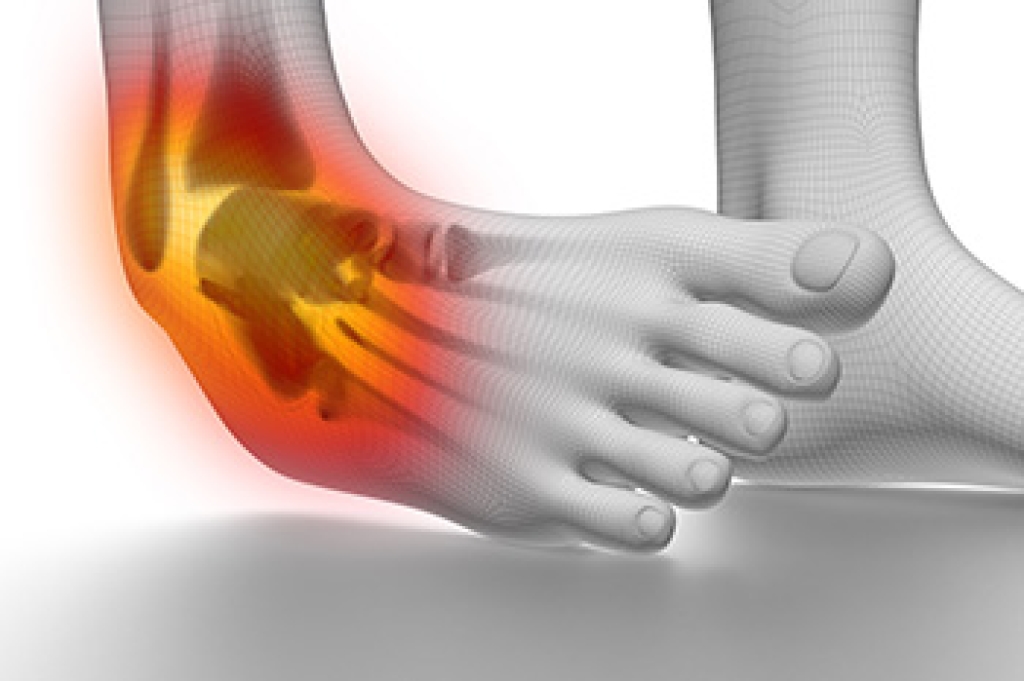
The ankle is a complex joint that supports body weight, helps maintain balance, and allows movement. Because it is used throughout the day, it is vulnerable to a number of disorders. Among the most common ankle disorders are sprains, fractures, and tendonitis. A sprain occurs when the ligaments that hold the ankle joint together are stretched or torn. Symptoms include pain, swelling, and bruising. Severe sprains may also limit weight-bearing. A fracture, which is a break in one or more ankle bones, can cause severe pain, difficulty standing, and noticeable swelling. Tendonitis develops when the tendons, thick cords that connect muscles to bones, become irritated or inflamed. People with tendonitis frequently experience pain, stiffness, and tenderness around the ankle.

Arthritis is another disorder that can affect the ankle joint. This condition causes inflammation inside a joint, and symptoms include pain, swelling, and reduced movement. Osteoarthritis develops when the cartilage between bones wears away. Rheumatoid arthritis occurs when the body's immune system attacks healthy joint tissue. Another form, called post-traumatic arthritis, can develop after an ankle injury. People with arthritis frequently notice stiffness when getting up, discomfort when walking, and swelling around the joint. 

Recognizing ankle disorders early can help reduce complications and improve treatment results. Persistent pain, swelling, and stiffness should not be ignored. Other warning signs include difficulty bearing weight, limited motion, and repeated ankle injuries. A podiatrist can evaluate the ankle by reviewing symptoms and performing a physical examination. Diagnostic testing includes X-rays, magnetic resonance imaging, also called MRI, and computed tomography scans, commonly known as CT scans. These tools help identify damage to bones, tendons, ligaments, and other soft tissues. If you have symptoms of an ankle disorder, it is suggested that you make an appointment with a podiatrist for an exam and diagnosis.

Ankle pain can have many different causes and the pain may potentially be serious. If you have ankle pain, consult with Dr. Todd Goldberg from Complete Family Foot Care Center. Our doctor will assess your condition and provide you with quality foot and ankle treatment.

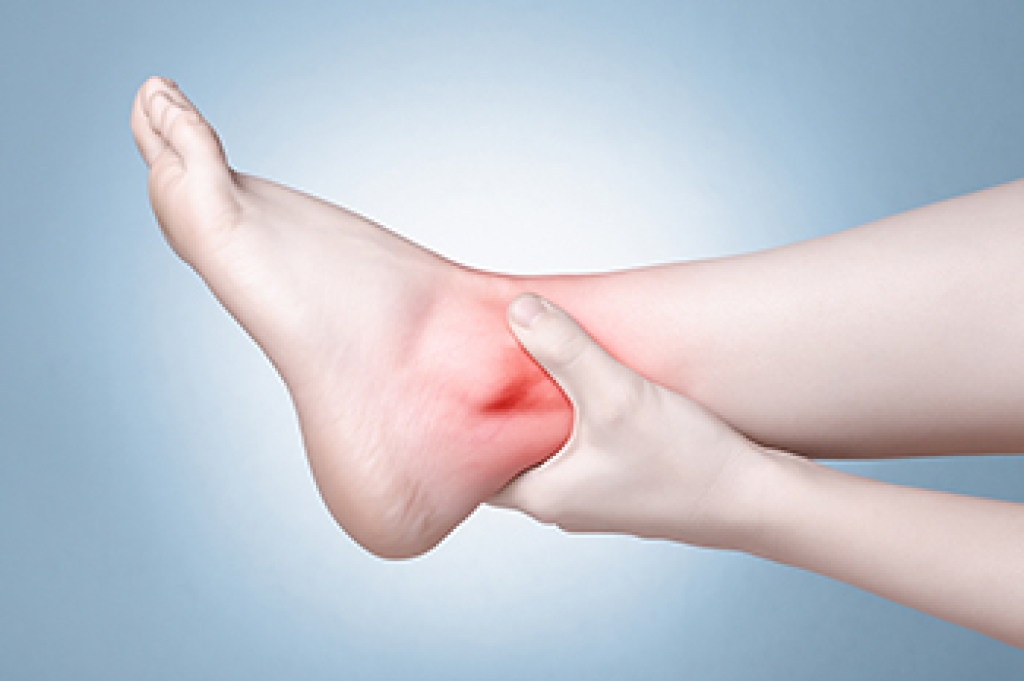
Ankle pain is any condition that causes pain in the ankle. Due to the fact that the ankle consists of tendons, muscles, bones, and ligaments, ankle pain can come from a number of different conditions.

Causes

The most common causes of ankle pain include:

  • Types of arthritis (rheumatoid, osteoarthritis, and gout)
  • Ankle sprains
  • Broken ankles
  • Achilles tendinitis
  • Achilles tendon rupture
  • Stress fractures
  • Tarsal tunnel syndrome
  • Plantar fasciitis

Symptoms

Symptoms of ankle injury vary based upon the condition. Pain may include general pain and discomfort, swelling, aching, redness, bruising, burning or stabbing sensations, and/or loss of sensation.

Diagnosis

Due to the wide variety of potential causes of ankle pain, podiatrists will utilize a number of different methods to properly diagnose ankle pain. This can include asking for personal and family medical histories and of any recent injuries. Further diagnosis may include sensation tests, a physical examination, and potentially x-rays or other imaging tests.

Treatment

Just as the range of causes varies widely, so do treatments. Some more common treatments are rest, ice packs, keeping pressure off the foot, orthotics and braces, medication for inflammation and pain, and surgery.

If you have any questions please feel free to contact our office located in Littlestown, PA . We offer the newest diagnostic tools and technology to treat your foot and ankle needs.

Read more about Ankle Pain
Connect with us
Like Us Follow Us Review Us Read Our Blogs
Copyright © Complete Family Foot Care Center, P.C | Site Map | Design by: Podiatry Content Connection