×

Recognizing Common Ankle Disorders

The ankle is a complex joint that supports body weight, helps maintain balance, and allows movement. Because it is used throughout the day, it is vulnerable to a number of disorders. Among the most common ankle disorders are sprains, fractures, and tendonitis. A sprain occurs when the ligaments that hold the ankle joint together are stretched or torn. Symptoms include pain, swelling, and bruising. Severe sprains may also limit weight-bearing. A fracture, which is a break in one or more ankle bones, can cause severe pain, difficulty standing, and noticeable swelling. Tendonitis develops when the tendons, thick cords that connect muscles to bones, become irritated or inflamed. People with tendonitis frequently experience pain, stiffness, and tenderness around the ankle.

Arthritis is another disorder that can affect the ankle joint. This condition causes inflammation inside a joint, and symptoms include pain, swelling, and reduced movement. Osteoarthritis develops when the cartilage between bones wears away. Rheumatoid arthritis occurs when the body's immune system attacks healthy joint tissue. Another form, called post-traumatic arthritis, can develop after an ankle injury. People with arthritis frequently notice stiffness when getting up, discomfort when walking, and swelling around the joint. 

Recognizing ankle disorders early can help reduce complications and improve treatment results. Persistent pain, swelling, and stiffness should not be ignored. Other warning signs include difficulty bearing weight, limited motion, and repeated ankle injuries. A podiatrist can evaluate the ankle by reviewing symptoms and performing a physical examination. Diagnostic testing includes X-rays, magnetic resonance imaging, also called MRI, and computed tomography scans, commonly known as CT scans. These tools help identify damage to bones, tendons, ligaments, and other soft tissues. If you have symptoms of an ankle disorder, it is suggested that you make an appointment with a podiatrist for an exam and diagnosis.

Ankle pain can have many different causes and the pain may potentially be serious. If you have ankle pain, consult with Dr. Todd Goldberg from Complete Family Foot Care Center. Our doctor will assess your condition and provide you with quality foot and ankle treatment.

Ankle pain is any condition that causes pain in the ankle. Due to the fact that the ankle consists of tendons, muscles, bones, and ligaments, ankle pain can come from a number of different conditions.

Causes

The most common causes of ankle pain include:

  • Types of arthritis (rheumatoid, osteoarthritis, and gout)
  • Ankle sprains
  • Broken ankles
  • Achilles tendinitis
  • Achilles tendon rupture
  • Stress fractures
  • Tarsal tunnel syndrome
  • Plantar fasciitis

Symptoms

Symptoms of ankle injury vary based upon the condition. Pain may include general pain and discomfort, swelling, aching, redness, bruising, burning or stabbing sensations, and/or loss of sensation.

Diagnosis

Due to the wide variety of potential causes of ankle pain, podiatrists will utilize a number of different methods to properly diagnose ankle pain. This can include asking for personal and family medical histories and of any recent injuries. Further diagnosis may include sensation tests, a physical examination, and potentially x-rays or other imaging tests.

Treatment

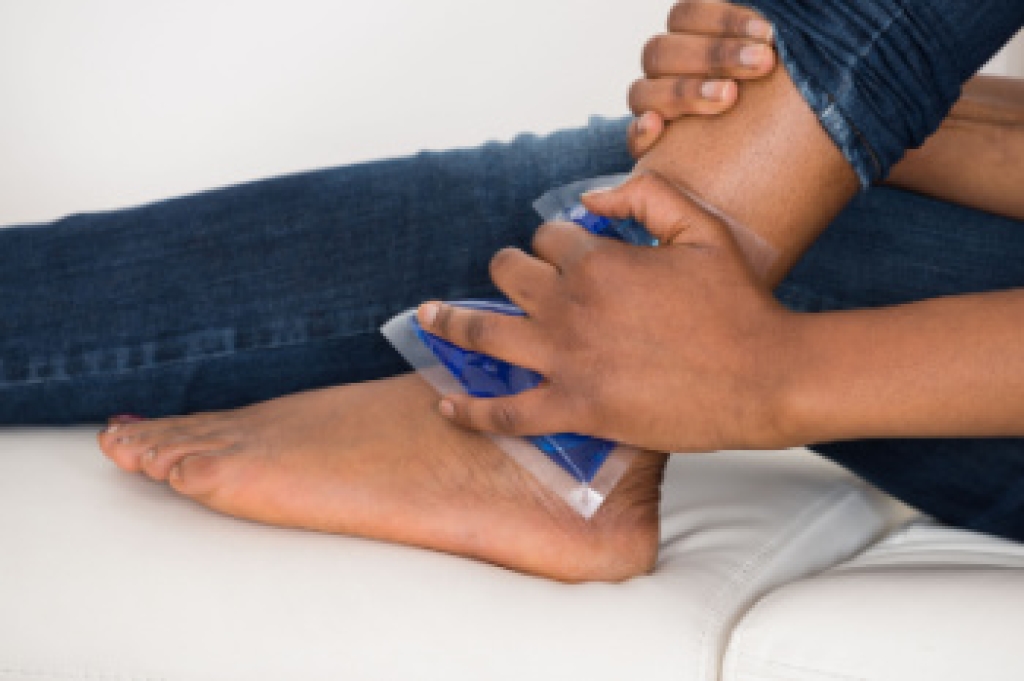
Just as the range of causes varies widely, so do treatments. Some more common treatments are rest, ice packs, keeping pressure off the foot, orthotics and braces, medication for inflammation and pain, and surgery.

If you have any questions please feel free to contact our office located in Littlestown, PA . We offer the newest diagnostic tools and technology to treat your foot and ankle needs.

Read more about Ankle Pain

Foot Exercises to Relieve Tight Ankles and Foot Pain

Tight ankles, calves, and foot pain can significantly affect mobility and comfort. To relieve these issues, certain foot exercises can be highly effective. One simple exercise is ankle stretches, where you gently pull the foot towards you, holding for several seconds to stretch the ankle. This helps release tightness and improve flexibility. To target tight calves, try calf stretches by standing with your hands against a wall and leaning forward to stretch the calf muscles. Another useful exercise is the towel stretch, where you sit with your legs extended, using a towel around the foot to pull it towards you, stretching both the calves and the foot. Additionally, rolling a tennis ball under the foot can alleviate tension and promote blood circulation. Regularly performing these exercises can help reduce pain, increase flexibility, and improve overall foot health. If you have sustained foot pain, it is suggested that you consult a podiatrist who can treat various foot conditions, and guide you on how to practice appropriate foot exercises.

Exercising your feet regularly with the proper foot wear is a great way to prevent injuries and build strength. If you have any concerns about your feet, contact Dr. Todd Goldberg from Complete Family Foot Care Center. Our doctor can provide the care you need to keep you pain-free and on your feet.

Exercise for Your Feet

Exercise for your feet can help you gain strength, mobility and flexibility in your feet. They say that strengthening your feet can be just as rewarding as strengthening another part of the body. Your feet are very important, and we often forget about them in our daily tasks. But it is because of our feet that are we able to get going and do what we need to. For those of us fortunate enough to not have any foot problems, it is an important gesture to take care of them to ensure good health in the long run.

Some foot health exercises can include ankle pumps, tip-toeing, toe rises, lifting off the floor doing reps and sets, and flexing the toes. It is best to speak with Our doctor to determine an appropriate regimen for your needs. Everyone’s needs and bodies are different, and the activities required to maintain strength in the feet vary from individual to individual. 

Once you get into a routine of doing regular exercise, you may notice a difference in your feet and how strong they may become.

If you have any questions, please feel free to contact our office located in Littlestown, PA . We offer the newest diagnostic and treatment technologies for all your foot care needs.

Read more about Exercise for Your Feet

Dealing With Heel Pain That Lingers

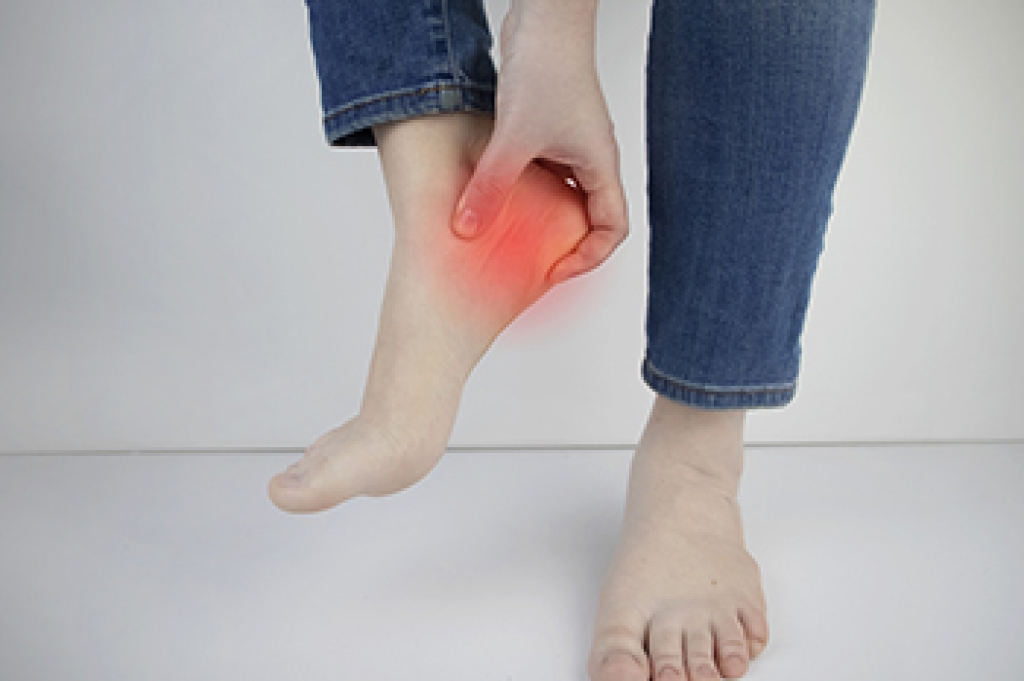
Plantar fasciitis is a condition that affects the thick band of tissue along the bottom of the foot, known as the plantar fascia. It often appears as sharp heel pain, especially with the first steps in the morning or after long periods of standing. The condition develops when this tissue becomes irritated or strained from repeated stress. Common causes include overuse, poor foot support, tight calf muscles, and long hours of standing on hard surfaces. Risk factors include obesity, flat feet, high arches, and wearing non-supportive footwear. Over time, the pain may become more frequent and interfere with daily movement. A podiatrist can diagnose plantar fasciitis, evaluate foot mechanics, and provide targeted treatment to reduce inflammation and improve function. If you have heel pain, it is suggested that you consult a podiatrist who can accurately diagnose and treat plantar fasciitis.

Plantar fasciitis is a common foot condition that is often caused by a strain injury. If you are experiencing heel pain or symptoms of plantar fasciitis, contact Dr. Todd Goldberg from Complete Family Foot Care Center. Our doctor can provide the care you need to keep you pain-free and on your feet.

What Is Plantar Fasciitis?

Plantar fasciitis is one of the most common causes of heel pain. The plantar fascia is a ligament that connects your heel to the front of your foot. When this ligament becomes inflamed, plantar fasciitis is the result. If you have plantar fasciitis you will have a stabbing pain that usually occurs with your first steps in the morning. As the day progresses and you walk around more, this pain will start to disappear, but it will return after long periods of standing or sitting.

What Causes Plantar Fasciitis?

  • Excessive running
  • Having high arches in your feet
  • Other foot issues such as flat feet
  • Pregnancy (due to the sudden weight gain)
  • Being on your feet very often

There are some risk factors that may make you more likely to develop plantar fasciitis compared to others. The condition most commonly affects adults between the ages of 40 and 60. It also tends to affect people who are obese because the extra pounds result in extra stress being placed on the plantar fascia.

Prevention

  • Take good care of your feet – Wear shoes that have good arch support and heel cushioning.
  • Maintain a healthy weight
  • If you are a runner, alternate running with other sports that won’t cause heel pain

There are a variety of treatment options available for plantar fasciitis along with the pain that accompanies it. Additionally, physical therapy is a very important component in the treatment process. It is important that you meet with your podiatrist to determine which treatment option is best for you.

If you have any questions, please feel free to contact our office located in Littlestown, PA . We offer the newest diagnostic and treatment technologies for all your foot care needs.


Read more about Plantar Fasciitis

Gout and Its Triggers

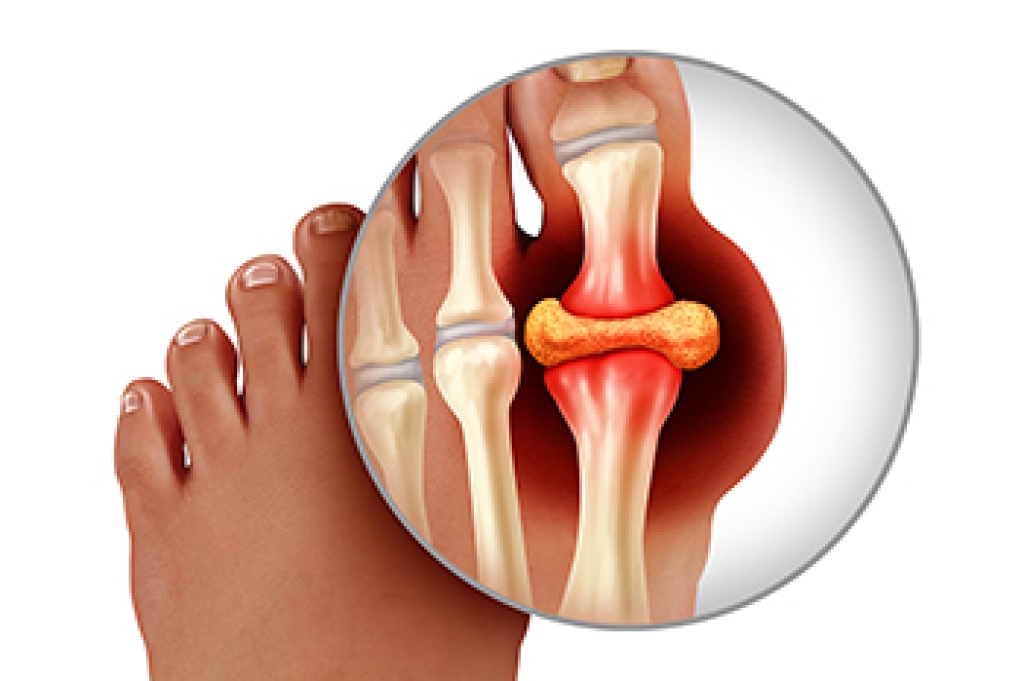
Gout is one of the oldest known forms of arthritis and develops when uric acid builds up in the body, forming sharp crystals in the joints. It often affects the big toe and can appear suddenly with intense pain, redness, warmth, and swelling. Attacks may come on overnight and make even light pressure feel unbearable. Several risk factors can increase the chance of gout, including a family history of the condition, frequent alcohol consumption, and diets high in red meat or sugary drinks. Obesity and certain medical conditions can also play a role. A podiatrist can identify gout, manage painful flare-ups, and work with patients to reduce joint damage and improve mobility. If you have intense pain in your big toe, it is suggested that you consult a podiatrist who can offer you a diagnosis and appropriate treatment.

Gout is a foot condition that requires certain treatment and care. If you are seeking treatment, contact Dr. Todd Goldberg from Complete Family Foot Care Center. Our doctor will treat your foot and ankle needs.

What Is Gout?

Gout is a type of arthritis caused by a buildup of uric acid in the bloodstream. It often develops in the foot, especially the big toe area, although it can manifest in other parts of the body as well. Gout can make walking and standing very painful and is especially common in diabetics and the obese.

People typically get gout because of a poor diet. Genetic predisposition is also a factor. The children of parents who have had gout frequently have a chance of developing it themselves.

Gout can easily be identified by redness and inflammation of the big toe and the surrounding areas of the foot. Other symptoms include extreme fatigue, joint pain, and running high fevers. Sometimes corticosteroid drugs can be prescribed to treat gout, but the best way to combat this disease is to get more exercise and eat a better diet.

If you have any questions, please feel free to contact our office located in Littlestown, PA . We offer the newest diagnostic and treatment technologies for all your foot care needs.

Read more about Everything You Need to Know About Gout

Gout Pain Can Be Managed

Gout is a painful, inflammatory form of arthritis. Those affected will typically feel an intense stiffness in the joints of their feet, particularly in the big toe. Schedule a visit to learn about how gout can be managed and treated.

Connect with us
Like Us Follow Us Review Us Read Our Blogs
Copyright © Complete Family Foot Care Center, P.C | Site Map | Design by: Podiatry Content Connection