×

Blisters and Foot Health

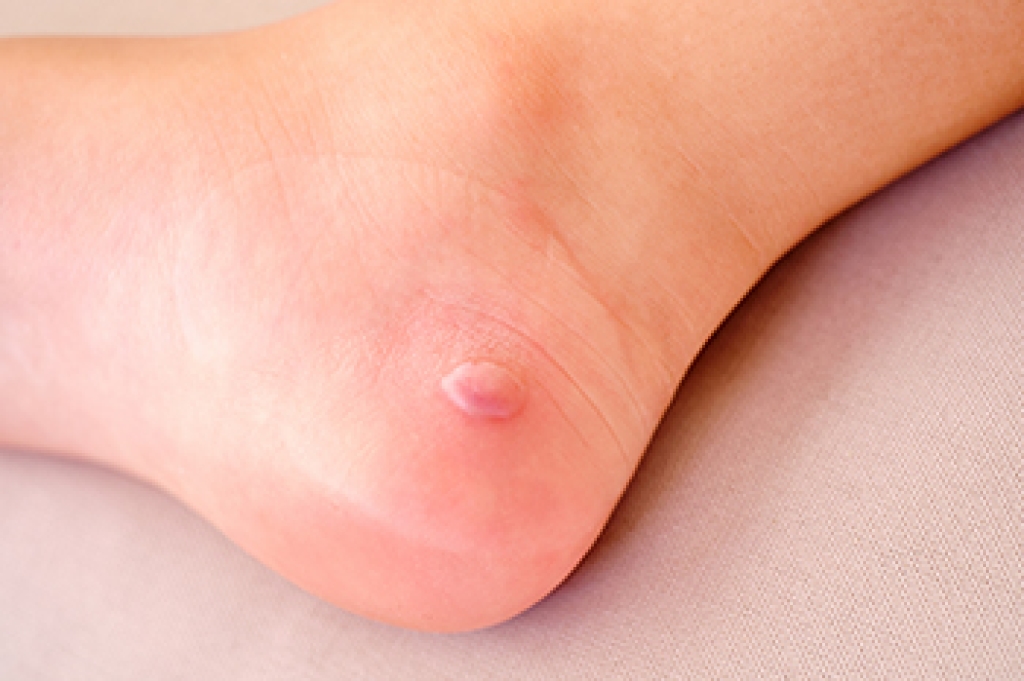
Blisters are small pockets of fluid that develop beneath the outer layer of the skin, most often because of repeated friction or pressure. They commonly appear on the heels, toes, or the ball of the foot after prolonged walking, running, or wearing shoes that rub against the skin. Although many blisters are minor, they can become painful and make everyday activities more difficult. Symptoms may include tenderness, swelling, and a clear fluid-filled bubble on the skin. In some cases, the blister may break open, increasing the risk of infection if not properly managed. Because other foot conditions can resemble blisters, a professional evaluation is important when pain is severe, symptoms persist, or signs of infection develop.


Several factors can increase the likelihood of developing foot blisters. Poorly fitting footwear, excessive moisture, and repetitive physical activity may all increase friction on the skin. Individuals with diabetes or reduced circulation may have a greater risk of complications because wounds can heal more slowly. Persistent discomfort may also change the way a person walks, placing additional stress on the foot and ankle. A comprehensive podiatry examination helps determine the cause of the blister while evaluating the surrounding skin for infection or other concerns. Early diagnosis and treatment are important to relieve discomfort and prevent more serious foot problems from developing.


A podiatrist specializes in diagnosing and treating foot blisters while protecting the overall health of the feet. Professional care focuses on relieving pain, preventing infection, and promoting proper healing based on each patient's condition. Treatment is tailored to the size, location, and severity of the blister, as well as any underlying medical conditions that may affect recovery. Regular podiatry visits can also help identify recurring problems and reduce the risk of future complications. If you have a painful foot blister, persistent symptoms, or signs of infection, it is suggested that you consult a podiatrist for an evaluation and appropriate treatment options.

Blisters may appear as a single bubble or in a cluster. They can cause a lot of pain and may be filled with pus, blood, or watery serum. If your feet are hurting, contact Dr. Todd Goldberg of Complete Family Foot Care Center. Our doctor can provide the care you need to keep you pain-free and on your feet.

Foot Blisters

Foot blisters are often the result of friction. This happens due to the constant rubbing from shoes, which can lead to pain.

What Are Foot Blisters?

A foot blister is a small fluid-filled pocket that forms on the upper-most layer of the skin. Blisters are filled with clear fluid and can lead to blood drainage or pus if the area becomes infected.

Symptoms

(Blister symptoms may vary depending on what is causing them)

  • Bubble of skin filled with fluid
  • Redness
  • Moderate to severe pain
  • Itching

Prevention & Treatment

In order to prevent blisters, you should be sure to wear comfortable shoes with socks that cushion your feet and absorb sweat. Breaking a blister open may increase your chances of developing an infection. However, if your blister breaks, you should wash the area with soap and water immediately and then apply a bandage to the affected area. If your blisters cause severe pain it is important that you call your podiatrist right away.

If you have any questions, please feel free to contact our office located in Littlestown, PA . We offer the newest diagnostic and treatment technologies for all your foot care needs.
Read more about Blisters on the Feet

Recognizing Nerve Damage After Ankle Sprains

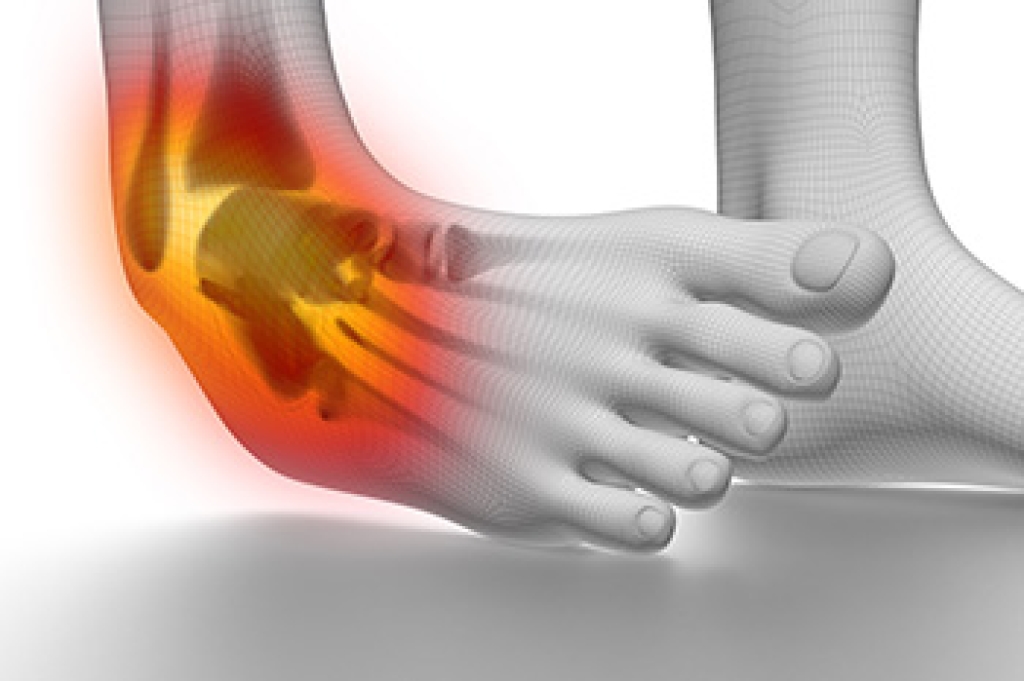
Ankle sprains occur when the ligaments that support the ankle are stretched or torn. This typically happens during sudden twisting movements, awkward landings, or uneven surfaces. While many ankle sprains heal with proper care, some cases may involve nerve damage, which can lead to more complex symptoms. Understanding the definition and causes of ankle sprains, along with the potential for nerve involvement, is important for early recognition and effective treatment.

Symptoms of a typical ankle sprain include pain, swelling, bruising, and limited movement. However, when nerve damage is present, additional signs may appear. These include radiating pain that travels beyond the ankle, altered skin sensation such as tingling or numbness, and unusual sensitivity to touch. In more severe cases, individuals may experience foot drop, which makes it difficult to lift the front part of the foot. Loss of muscle size can also occur if nerve signals are disrupted. These symptoms require careful attention, as they may indicate a more serious condition.


Risk factors for ankle sprains include participation in sports, walking on uneven terrain, and wearing improper footwear. Repeated sprains can increase the likelihood of nerve irritation or damage. High-impact activities and poor balance may also contribute to injury. When the ankle is unstable, nearby nerves may become compressed or stretched, leading to ongoing symptoms. Recognizing these risk factors can help individuals take preventive measures and reduce the chance of complications.


Proper care and early evaluation are essential for managing ankle injuries and preventing long-term effects. Rest, support, and gradual rehabilitation can help restore strength and stability. If signs of nerve damage are present, specialized treatment may be needed to protect function and mobility. If you suspect nerve damage from an ankle sprain, it is suggested that you consult a podiatrist for an accurate diagnosis and appropriate treatment.

Ankle sprains are common but need immediate attention. If you need your feet checked, contact Dr. Todd Goldberg from Complete Family Foot Care Center. Our doctor can provide the care you need to keep you pain-free and on your feet.

How Does an Ankle Sprain Occur?

Ankle sprains take place when the ligaments in your ankle are torn or stretched beyond their limits. There are multiple ways that the ankle can become injured, including twisting or rolling over onto your ankle, putting undue stress on it, or causing trauma to the ankle itself.

What Are the Symptoms?

  • Mild to moderate bruising
  • Limited mobility
  • Swelling
  • Discoloration of the skin (depending on severity)

Preventing a Sprain

  • Wearing appropriate shoes for the occasion
  • Stretching before exercises and sports
  • Knowing your limits

Treatment of a Sprain

Treatment of a sprain depends on the severity.  Many times, people are told to rest and remain off their feet completely, while others are given an air cast. If the sprain is very severe, surgery may be required.

If you have suffered an ankle sprain previously, you may want to consider additional support such as a brace and regular exercises to strengthen the ankle.

If you have any questions please feel free to contact our office located in Littlestown, PA . We offer the newest diagnostic tools and technology to treat your foot and ankle needs.

Read more about Ankle Sprains

Custom Orthotics Offer Support and Stability for Foot Drop

Foot drop makes it difficult to lift the front of the foot and toes while walking. As a result, the toes can drag or catch on the ground. Foot drop can result from nerve injury, muscle weakness, or conditions involving the brain or spinal cord. Because it increases the chance of tripping and falling, an evaluation is important. A podiatrist can examine foot movement, ankle strength, and walking patterns. The examination can help identify pressure areas caused by changes in the way the foot meets the ground.

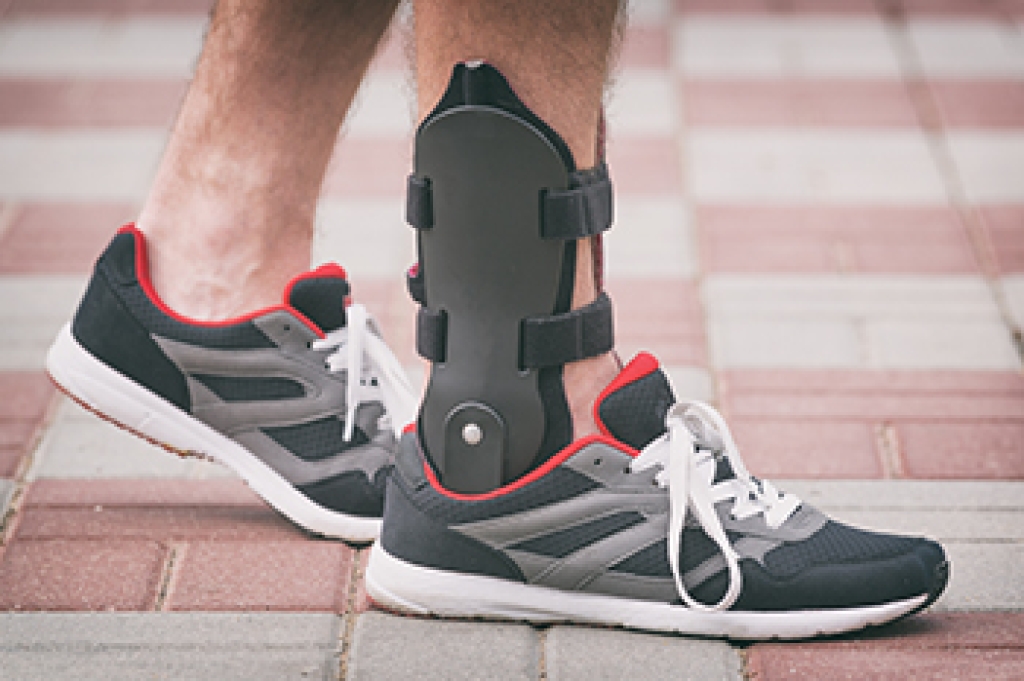
Orthotic devices can support the foot and improve safety while walking. An ankle-foot orthosis, also called an AFO, is a brace that fits around the lower leg, ankle, and foot. It holds the foot in a more stable position and helps keep the toes from dragging. Some AFOs are firm, while others allow limited ankle movement. A podiatrist can determine which design suits the patient’s strength, balance, and daily activities. A custom shoe insert can also improve alignment or reduce pressure inside the shoe. The device must fit correctly because excess pressure can cause rubbing, redness, or skin damage.

A podiatrist can measure the foot and ankle, prescribe an appropriate orthotic device, and check how it works with the patient’s shoes. During follow-up visits the podiatrist can inspect the skin and make adjustments that improve comfort. The podiatrist can also recommend shoes with enough depth and secure fastenings to hold the brace properly. Persistent redness, pain, or numbness linked to the device should be reported. Treatment depends on the cause and severity of foot drop, so an orthotic device is only one part of a broader care plan. In some cases, a podiatrist works with other medical specialists to address the underlying condition and reduce the risk of further problems. If you have foot drop, it is suggested that you schedule an appointment with a podiatrist to explore the use of an orthotic device.


If you are having discomfort in your feet and would like to try orthotics, contact Dr. Todd Goldberg from Complete Family Foot Care Center. Our doctor can provide the care you need to keep you pain-free and on your feet.

What Are Orthotics?

Orthotics are inserts you can place into your shoes to help with a variety of foot problems such as flat feet or foot pain. Orthotics provide relief and comfort for minor foot and heel pain but can’t correct serious biomechanical problems in your feet.

Over-the-Counter Inserts

Orthotics come in a wide variety of over-the-counter inserts that are used to treat foot pain, heel pain, and minor problems. For example, arch supports can be inserted into your shoes to help correct overarched or flat feet, while gel insoles are often used because they provide comfort and relief from foot and heel pain by alleviating pressure.

Prescription Orthotics

If over-the-counter inserts don’t work for you or if you have a more severe foot concern, it is possible to have your podiatrist prescribe custom orthotics. These high-quality inserts are designed to treat problems such as abnormal motion, plantar fasciitis, and severe forms of heel pain. They can even be used to help patients suffering from diabetes by treating foot ulcers and painful calluses and are usually molded to your feet individually, which allows them to provide full support and comfort.

If you are experiencing minor to severe foot or heel pain, it’s recommended to speak with your podiatrist about the possibilities of using orthotics. A podiatrist can determine which type of orthotic is right for you and allow you to take the first steps towards being pain-free.

If you have any questions, please feel free to contact our office located in Littlestown, PA . We offer the newest diagnostic and treatment technologies for all your foot care needs.

Read more about Ankle Foot Orthotics for Athletes

Plantar Warts Can Be Treated!

Plantar warts are small growths that develop on parts of the feet that bear weight. They're typically found on the bottom of the foot. Don't live with plantar warts, and call us today!

Extensor Tendonitis and Running-Related Foot Pain

Extensor tendonitis causes pain on the top of the foot due to inflammation of the tendons responsible for lifting the toes. These tendons play a vital role in maintaining balance and proper stride during running. When they become overworked or irritated, discomfort can develop. This condition is often seen in runners who place repeated stress on their feet. Learning the definition and causes of extensor tendonitis can help prevent injury and support long term activity.

Common symptoms include aching or sharp pain along the top of the foot, especially during or after running. The affected area may feel sore to the touch and may show mild swelling. Some individuals experience increased discomfort while wearing tight shoes, or when bending the foot upward. Symptoms may worsen with continued activity and improve with rest. Recognizing these warning signs early can help reduce the risk of further damage.


Risk factors for extensor tendonitis include overtraining, sudden increases in activity, and wearing improper footwear. Shoes that are too tight across the top of the foot can create pressure and irritation. Running on hard or uneven surfaces may also contribute to strain. Poor flexibility and lack of proper warm up can increase susceptibility. These factors place stress on the tendons and can lead to inflammation over time.


Managing this condition involves addressing the underlying causes and allowing the tendons to recover. Wearing properly fitted shoes and adjusting lacing can reduce pressure. Rest and gradual return to activity can support healing. Stretching exercises can improve flexibility and reduce tension in the tendons. Seeking podiatric care ensures accurate diagnosis and effective treatment. If you have pain on the top of your foot while running, it is suggested that you consult a podiatrist who can offer effective relief and treatment solutions.

Foot Pain

Foot pain can be extremely painful and debilitating. If you have a foot pain, consult with Dr. Todd Goldberg from Complete Family Foot Care Center. Our doctor will assess your condition and provide you with quality foot and ankle treatment.

Causes

Foot pain is a very broad condition that could be caused by one or more ailments. The most common include:

  • Bunions
  • Hammertoes
  • Plantar Fasciitis
  • Bone Spurs
  • Corns
  • Tarsal Tunnel Syndrome
  • Ingrown Toenails
  • Arthritis (such as Gout, Rheumatoid, and Osteoarthritis)
  • Flat Feet
  • Injury (from stress fractures, broken toe, foot, ankle, Achilles tendon ruptures, and sprains)
  • And more

Diagnosis

To figure out the cause of foot pain, podiatrists utilize several different methods. This can range from simple visual inspections and sensation tests to X-rays and MRI scans. Prior medical history, family medical history, and any recent physical traumatic events will all be taken into consideration for a proper diagnosis.

Treatment

Treatment depends upon the cause of the foot pain. Whether it is resting, staying off the foot, or having surgery; podiatrists have a number of treatment options available for foot pain.

If you have any questions, please feel free to contact our office located in Littlestown, PA . We offer the newest diagnostic and treatment technologies for all your foot care needs.

Read more about Foot Pain
Connect with us
Like Us Follow Us Review Us Read Our Blogs
Copyright © Complete Family Foot Care Center, P.C | Site Map | Design by: Podiatry Content Connection