Littlestown, PA
(717) 359-5300


(717) 359-5300

Corns are thickened areas of skin that develop due to repeated friction or pressure, often on the feet. They typically form on the tops or sides of toes and can be painful when pressed. There are two main types of corns which are hard and soft. Hard corns are the most common, appearing as small, dense, and circular areas of thickened skin, usually found on the tops of toes or other bony areas. Soft corns, in contrast, are whitish and rubbery in texture, typically developing between the toes where the skin is moist from sweat. Both types of corns result from excessive pressure and friction, often due to wearing ill-fitting shoes or abnormal toe movements. Corns on the feet can be painful and may cause difficulty in completing daily tasks. If you have developed a corn, it is suggested that you speak to a podiatrist who can offer you effective relief options.
Corns can make walking very painful and should be treated immediately. If you have questions regarding your feet and ankles, contact Dr. Todd Goldberg of Complete Family Foot Care Center. Our doctor will treat your foot and ankle needs.
Corns: What Are They? And How Do You Get Rid of Them?
Corns are thickened areas on the skin that can become painful. They are caused by excessive pressure and friction on the skin. Corns press into the deeper layers of the skin and are usually round in shape.
Ways to Prevent Corns
There are many ways to get rid of painful corns such as:
Treating Corns
Although most corns slowly disappear when the friction or pressure stops, this isn’t always the case. Consult with your podiatrist to determine the best treatment option for your case of corns.
If you have any questions please feel free to contact our office located in Littlestown, PA . We offer the newest diagnostic and treatment technologies for all your foot and ankle needs.
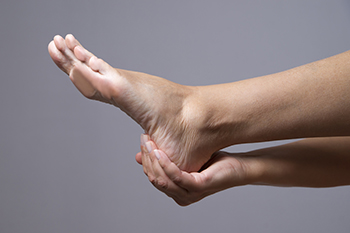
The foot's three arches, which are often overlooked, sustain you in daily activities. The medial and lateral longitudinal arches and the anterior transverse arch function as a resilient spring, absorbing shock and supporting our weight during movement. This function depends on composition of tarsal and metatarsal bones bolstered by ligaments and tendons. The trio of foot arches, which are essential for walking and sprinting, optimize energy efficiency. The medial arch, taller and more elastic, owes its resilience to its structural makeup and supporting network. In contrast, the flatter and sturdier lateral arch relies on robust ligaments and muscles for stability. Together, they form the longitudinal arch, essential for balance and force distribution. Complementing these are the transverse arches, fortifying the foot's stability. Issues like low or high arches can lead to discomfort and conditions like heel pain or plantar fasciitis. If you are experiencing discomfort in the arch of the foot, it is suggested that you make an appointment with a podiatrist for an exam and appropriate treatment.
If you have any concerns about your feet, contact Dr. Todd Goldberg from Complete Family Foot Care Center. Our doctor can provide the care you need to keep you pain-free and on your feet.
Biomechanics in Podiatry
Podiatric biomechanics is a particular sector of specialty podiatry with licensed practitioners who are trained to diagnose and treat conditions affecting the foot, ankle and lower leg. Biomechanics deals with the forces that act against the body, causing an interference with the biological structures. It focuses on the movement of the ankle, the foot and the forces that interact with them.
A History of Biomechanics
Modern technological improvements are based on past theories and therapeutic processes that provide a better understanding of podiatric concepts for biomechanics. Computers can provide accurate information about the forces and patterns of the feet and lower legs.
Understanding biomechanics of the feet can help improve and eliminate pain, stopping further stress to the foot.
If you have any questions please feel free to contact our office located in Littlestown, PA . We offer the newest diagnostic and treatment technologies for all your foot and ankle needs.

Osteoarthritis, a degenerative joint disease commonly associated with aging, can affect any joint in the body, including the big toe. When osteoarthritis strikes the big toe, it leads to pain, stiffness, and reduced mobility, impacting daily activities such as walking and standing. Unlike rheumatoid arthritis, which is an autoimmune disorder, osteoarthritis of the big toe is primarily caused by wear and tear on the joint cartilage over time. Factors like genetics, previous injuries, and excessive stress on the joint can also contribute to its development. Individuals with occupations or hobbies that involve repetitive movements or excessive pressure on the feet are at a higher risk. Early symptoms may include discomfort and swelling around the joint, which can progress to chronic pain and deformity if left untreated. Management strategies for osteoarthritis of the big toe include lifestyle modifications, pain management techniques, orthotic devices, and in severe cases, surgical intervention to repair or replace the damaged joint. If you are experiencing any stiffness in your foot specifically the big toe, it is urged that you consult a podiatrist who can accurately diagnose and provide you with the foot care you need.
Arthritis can be a difficult condition to live with. If you are seeking treatment, contact Dr. Todd Goldberg from Complete Family Foot Care Center. Our doctor can provide the care you need to keep you pain-free and on your feet.
Arthritic Foot Care
Arthritis is a term that is commonly used to describe joint pain. The condition itself can occur to anyone of any age, race, or gender, and there are over 100 types of it. Nevertheless, arthritis is more commonly found in women compared to men, and it is also more prevalent in those who are overweight. The causes of arthritis vary depending on which type of arthritis you have. Osteoarthritis for example, is often caused by injury, while rheumatoid arthritis is caused by a misdirected immune system.
Symptoms
Arthritic symptoms range in severity, and they may come and go. Some symptoms stay the same for several years but could potentially get worse with time. Severe cases of arthritis can prevent its sufferers from performing daily activities and make walking difficult.
Risk Factors
If you suspect your arthritis is affecting your feet, it is crucial that you see a podiatrist immediately. Your doctor will be able to address your specific case and help you decide which treatment method is best for you.
If you have any questions, please feel free to contact our office located in Littlestown, PA . We offer the newest diagnostic and treatment technologies for all your foot care needs.

If left untreated, an ingrown toenail can lead to more serious concerns, such as an infection. Knowing proper nail care can help in the prevention of an ingrown toenail. Give us a call, and get treated!
A plantar fibroma, a benign tumor that develops in the plantar fascia, can cause discomfort and mobility issues for those affected. This condition manifests as a firm nodule or lump in the arch or sole of the foot, typically located along the middle portion of the plantar fascia. Plantar fibromas grow slowly over time, gradually enlarging and potentially causing pain or tenderness with pressure or movement. As the fibroma increases in size, it may interfere with walking, standing, or wearing shoes comfortably. While the exact cause of plantar fibromas remains unclear, factors such as genetics, trauma, or inflammation of the plantar fascia may contribute to their development. Individuals with plantar fibromas may also notice changes in foot structure or gait abnormalities. If you have a lump in the arch of your foot, it is suggested that you consult a podiatrist who can offer you proper diagnosis, as well as relief and treatment methods.
A plantar fibroma may disrupt your daily activities. If you have any concerns, contact Dr. Todd Goldberg of Complete Family Foot Care Center. Our doctor can provide the care you need to keep you pain-free and on your feet.
Plantar Fibroma
A plantar fibroma is a fibrous knot in the arch of the foot. It is embedded in the plantar fascia which is a band of tissue that extends from the heel to the toes along the bottom of the foot. There can be multiple plantar fibromas in the feet at the same time. There are no known causes for this condition. If you have a plantar fibroma, there will be a bump in the arch of your foot that cannot be missed. Any associated pain is most often due to a shoe rubbing against the nodule. Non-surgical options, such as steroid injections, physical therapy, and orthotics should be tried first. Surgery is a last resort and is the only thing that will remove a plantar fibroma entirely. Consult with a podiatrist for a proper diagnosis and to determine the treatment regimen that is right for you.
What Causes a Plantar Fibroma?
While there are no specific causes identified, a plantar fibroma can possibly come from genetic predisposition or the formation of scar tissue that forms from healing the tears in the plantar fascia.
What Are the Symptoms of a Plantar Fibroma?
There will be a noticeable lump in the arch of the foot that may or may not cause pain. If pain is felt, it is typically because a shoe is rubbing up against the lump or when walking or standing barefoot.
Treatment and Prevention
A plantar fibroma will not disappear without treatment, but it can get smaller and be a non-issue. If pain persists, a podiatrist examines the foot and when the arch of the foot is pressed, pain can be felt down to the toes. An MRI or biopsy might be performed to help diagnose or evaluate the plantar fibroma. The following non-surgical options are generally enough to reduce the size and pain of these nodules:
Surgery is considered if the mass increases in size and the patient continues to feel pain after non-surgical methods are tried.
If you have any questions please feel free to contact our office located in Littlestown, PA . We offer the newest diagnostic tools and technology to treat your foot and ankle needs.