Littlestown, PA
(717) 359-5300


(717) 359-5300
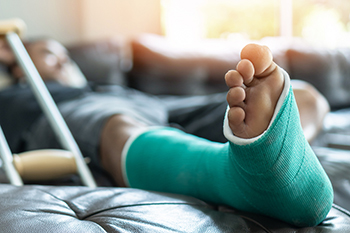
Recovering from a broken ankle requires patience and proper care to ensure the best possible outcome. The main goal is to allow the ankle to heal fully, which reduces the risk of chronic ankle problems. Some ankle fractures heal with rest and immobilization, while others may require surgery and the use of a brace. Following a podiatrist's guidance is essential for managing pain, reducing swelling, and beginning weight-bearing activities at the right time. This foot doctor will also provide exercises that help restore strength, mobility, and balance. Gradual return to daily activities is essential to avoid re-injury. Regular check-ins with a podiatrist can help monitor healing and address any complications, such as persistent pain or swelling. Long-term, some individuals may experience arthritis, but early treatment and careful rehabilitation can minimize this risk. If you are recovering from a broken ankle, it is suggested that you make an appointment with a podiatrist for treatment options.
Broken ankles need immediate treatment. If you are seeking treatment, contact Dr. Todd Goldberg from Complete Family Foot Care Center. Our doctor can provide the care you need to keep you pain-free and on your feet.
Broken Ankles
A broken ankle is experienced when a person fractures their tibia or fibula in the lower leg and ankle area. Both of these bones are attached at the bottom of the leg and combine to form what we know to be our ankle.
When a physician is referring to a break of the ankle, he or she is usually referring to a break in the area where the tibia and fibula are joined to create our ankle joint. Ankles are more prone to fractures because the ankle is an area that suffers a lot of pressure and stress. There are some obvious signs when a person experiences a fractured ankle, and the following symptoms may be present.
Symptoms of a Fractured Ankle
If you suspect an ankle fracture, it is recommended to seek treatment as soon as possible. The sooner you have your podiatrist diagnose the fracture, the quicker you’ll be on the way towards recovery.
If you have any questions, please feel free to contact our office located in Littlestown, PA . We offer the newest diagnostic and treatment technologies for all your foot care needs.

Ingrown toenail surgery is a common procedure to treat toenails that have grown into the surrounding skin, causing pain and potential infection. The surgery typically involves removing part or all of the affected toenail and, in some cases, treating the nail bed with a chemical or surgical method to prevent regrowth. The procedure is usually performed under local anesthesia, ensuring minimal discomfort. Post-surgery, patients may experience some pain, swelling, and redness, but these symptoms generally improve within a few weeks. The prognosis for ingrown toenail surgery is generally positive, with most individuals experiencing significant relief from pain and discomfort. Proper foot care and following post-operative instructions are essential for a successful recovery and to prevent recurrence. If you have an ingrown toenail, it is suggested that you make an appointment with a podiatrist who can determine if surgery is right for you.
Ingrown toenails may initially present themselves as a minor discomfort, but they may progress into an infection in the skin without proper treatment. For more information about ingrown toenails, contact Dr. Todd Goldberg of Complete Family Foot Care Center. Our doctor can provide the care you need to keep you pain-free and on your feet.
Ingrown Toenails
Ingrown toenails are caused when the corner or side of a toenail grows into the soft flesh surrounding it. They often result in redness, swelling, pain, and in some cases, infection. This condition typically affects the big toe and may recur if it is not treated properly.
Causes
You are more likely to develop an ingrown toenail if you are obese, have diabetes, arthritis, or have any fungal infection in your nails. Additionally, people who have foot or toe deformities are at a higher risk of developing an ingrown toenail.
Symptoms
Some symptoms of ingrown toenails are redness, swelling, and pain. In rare cases, there may be a yellowish drainage coming from the nail.
Treatment
Ignoring an ingrown toenail can have serious complications. Infections of the nail border can progress to a deeper soft-tissue infection, which can then turn into a bone infection. You should always speak with your podiatrist if you suspect you have an ingrown toenail, especially if you have diabetes or poor circulation.
If you have any questions, please feel free to contact our office located in Littlestown, PA . We offer the newest diagnostic and treatment technologies for all your foot care needs.

Allowing babies to walk or crawl barefoot offers numerous benefits for their overall development. Barefoot play optimizes sensory motor development by letting babies experience various textures and surfaces, enhancing their sensory awareness and coordination. When infants walk without shoes, they develop a better sense of their body in space, promoting awareness and balance. This natural movement improves agility and strengthens the muscles in their feet and legs. Additionally, being barefoot allows for the proper development of the foot’s arch and alignment, as it encourages natural foot mechanics. By allowing their feet to move freely and interact directly with their environment, babies gain essential motor skills and support their physical growth effectively. If you notice unusual foot or walking symptoms in your child and are interested in learning about foot development, it is suggested that you consult a podiatrist who can evaluate foot health, and provide you with the information you are seeking.
Making sure that your children maintain good foot health is very important as they grow. If you have any questions, contact Dr. Todd Goldberg of Complete Family Foot Care Center. Our doctor can provide the care you need to keep you pain-free and on your feet.
Keeping Children's Feet Healthy
Having healthy feet during childhood can help prevent medical problems later in life, namely in the back and legs. As children grow, their feet require different types of care. Here are some things to consider...
Although babies do not walk yet, it is still very important to take care of their feet.
Avoid putting tight shoes or socks on his or her feet.
Allow the baby to stretch and kick his or her feet to feel comfortable.
As a toddler, kids are now on the move and begin to develop differently. At this age, toddlers are getting a feel for walking, so don’t be alarmed if your toddler is unsteady or ‘walks funny’.
As your child gets older, it is important to teach them how to take care of their feet.
Show them proper hygiene to prevent infections such as fungus.
Be watchful for any pain or injury.
Have all injuries checked by a doctor as soon as possible.
Comfortable, protective shoes should always be worn, especially at play.
If you have any questions please feel free to contact our office located in Littlestown, PA . We offer the newest diagnostic and treatment technologies for all your foot and ankle needs.
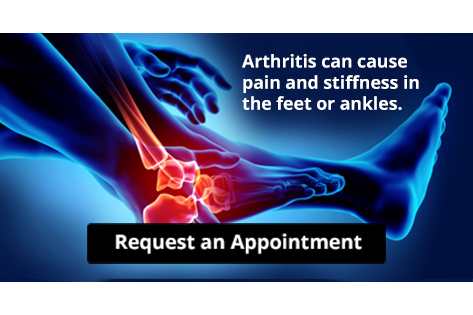
If you are suffering from tenderness, pain, or stiffness in the joints of your feet or ankles, call us to schedule an appointment.

Plantar fasciitis is a common foot ailment, but several other conditions have similar symptoms, potentially leading to a misdiagnosis. Arthritis, particularly osteoarthritis, can cause heel pain and stiffness that mimics plantar fasciitis, often affecting multiple joints. A ruptured plantar fascia, a more severe injury, can lead to sudden, intense pain that might be confused with fasciitis. Stress fractures in the bones of the foot can also cause localized pain and swelling, particularly in the heel area, and may be mistaken for plantar fasciitis. Additionally, nerve entrapment, such as tarsal tunnel syndrome, can cause burning or tingling sensations in the foot, which may overlap with the discomfort associated with plantar fasciitis. If you have foot pain, it is strongly suggested that you schedule an appointment with a podiatrist who can determine the cause and offer effective treatment solutions.
Foot Pain
Foot pain can be extremely painful and debilitating. If you have a foot pain, consult with Dr. Todd Goldberg from Complete Family Foot Care Center. Our doctor will assess your condition and provide you with quality foot and ankle treatment.
Causes
Foot pain is a very broad condition that could be caused by one or more ailments. The most common include:
Diagnosis
To figure out the cause of foot pain, podiatrists utilize several different methods. This can range from simple visual inspections and sensation tests to X-rays and MRI scans. Prior medical history, family medical history, and any recent physical traumatic events will all be taken into consideration for a proper diagnosis.
Treatment
Treatment depends upon the cause of the foot pain. Whether it is resting, staying off the foot, or having surgery; podiatrists have a number of treatment options available for foot pain.
If you have any questions, please feel free to contact our office located in Littlestown, PA . We offer the newest diagnostic and treatment technologies for all your foot care needs.