×

Causes of Plantar Heel Pain and How to Find Relief

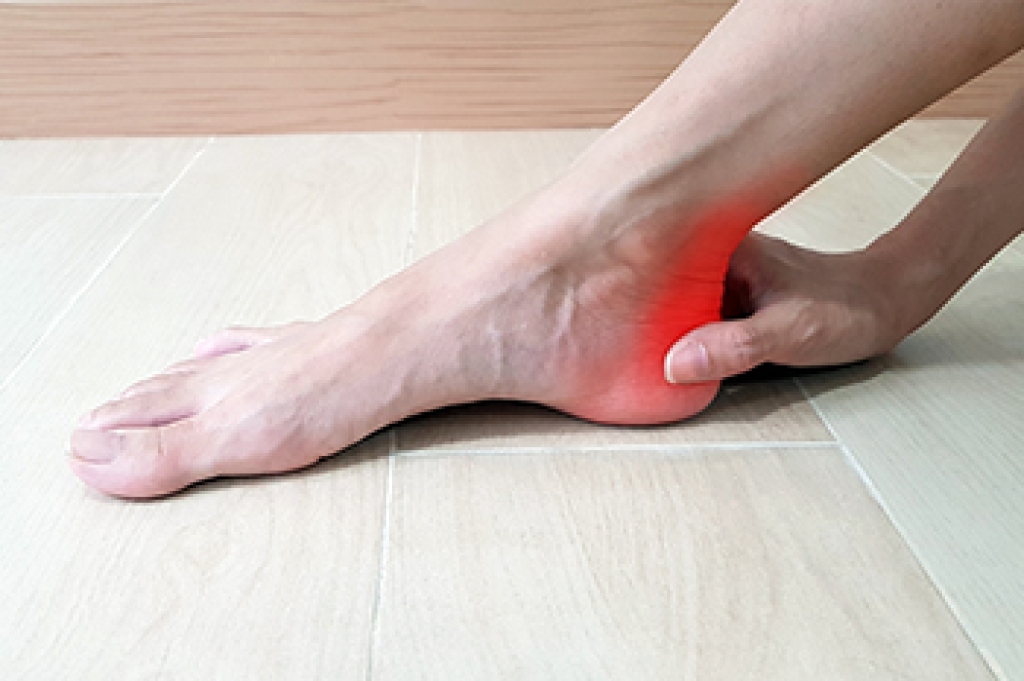
Plantar heel pain refers to discomfort at the bottom of the heel that can make standing or walking difficult. Common causes include plantar fasciitis and calcaneal spur syndrome, which is also known as a heel spur. This pain often develops gradually and may worsen with the first steps in the morning or after long periods of rest. Diagnosis involves a physical exam along with imaging such as X rays or CT scans to identify the underlying cause. A podiatrist can design a customized treatment plan that may include stretching exercises, custom orthotics, footwear recommendations, and advanced therapies for pain relief and healing. Heel pain can be debilitating, and may limit your mobility. If this applies to you, it is suggested that you consult a podiatrist who can provide expert advice and appropriate treatment solutions.

Many people suffer from bouts of heel pain. For more information, contact Dr. Todd Goldberg of Complete Family Foot Care Center. Our doctor can provide the care you need to keep you pain-free and on your feet.

Causes of Heel Pain

Heel pain is often associated with plantar fasciitis. The plantar fascia is a band of tissues that extends along the bottom of the foot. A rip or tear in this ligament can cause inflammation of the tissue.

Achilles tendonitis is another cause of heel pain. Inflammation of the Achilles tendon will cause pain from fractures and muscle tearing. Lack of flexibility is also another symptom.

Heel spurs are another cause of pain. When the tissues of the plantar fascia undergo a great deal of stress, it can lead to ligament separation from the heel bone, causing heel spurs.

Why Might Heel Pain Occur?

  • Wearing ill-fitting shoes                
  • Wearing non-supportive shoes
  • Weight change           
  • Excessive running

Treatments

Heel pain should be treated as soon as possible for immediate results. Keeping your feet in a stress-free environment will help. If you suffer from Achilles tendonitis or plantar fasciitis, applying ice will reduce the swelling. Stretching before an exercise like running will help the muscles. Using all these tips will help make heel pain a condition of the past.

If you have any questions, please feel free to contact our office located in Littlestown, PA . We offer the newest diagnostic and treatment technologies for all your foot care needs.
Read more about Heel Pain

It's Time for Beautiful Feet

You don't need an excuse to have beautiful nails. Step outside without worrying about the appearance of your feet.

Causes and Symptoms of Tarsal Tunnel Syndrome

Tarsal tunnel syndrome occurs when the posterior tibial nerve becomes compressed as it travels through the tarsal tunnel on the inside of the ankle. The tarsal tunnel is similar to the carpal tunnel in the wrist. This pressure on the nerve can cause pain, tingling, numbness, or burning sensations in the foot and ankle. Common causes include flat feet, injury, swelling, or systemic conditions like diabetes. Risk factors involve repetitive stress and prolonged standing. A podiatrist can diagnose tarsal tunnel syndrome through a physical exam and nerve testing, then create a treatment plan that may include orthotics or minimally invasive procedures. If you have persistent ankle or foot pain, it is suggested that you consult a podiatrist who can accurately diagnose and treat what may be going on.

Tarsal tunnel syndrome can be very uncomfortable to live with. If you are experiencing tarsal tunnel syndrome, contact Dr. Todd Goldberg of Complete Family Foot Care Center. Our doctor can provide the care you need to keep you pain-free and on your feet.

Tarsal Tunnel Syndrome

Tarsal tunnel syndrome, which can also be called tibial nerve dysfunction, is an uncommon condition of misfiring peripheral nerves in the foot. The tibial nerve is the peripheral nerve in the leg responsible for sensation and movement of the foot and calf muscles. In tarsal tunnel syndrome, the tibial nerve is damaged, causing problems with movement and feeling in the foot of the affected leg.

Common Cause of Tarsal Tunnel Syndrome

  • Involves pressure or an injury, direct pressure on the tibial nerve for an extended period of time, sometimes caused by other body structures close by or near the knee.
  • Diseases that damage nerves, including diabetes, may cause tarsal tunnel syndrome.
  • At times, tarsal tunnel syndrome can appear without an obvious cause in some cases.

The Effects of Tarsal Tunnel Syndrome

  • Different sensations, an afflicted person may experience pain, tingling, burning or other unusual sensations in the foot of the affected leg.
  • The foot muscles, toes and ankle become weaker, and curling your toes or flexing your foot can become difficult.
  • If condition worsens, infections and ulcers may develop on the foot that is experiencing the syndrome.

A physical exam of the leg can help identify the presence of tarsal tunnel syndrome. Medical tests, such as a nerve biopsy, are also used to diagnose the condition. Patients may receive physical therapy and prescriptive medication. In extreme cases, some may require surgery.

If you have any questions please contact our office located in Littlestown, PA . We offer the newest diagnostic and treatment technologies for all your foot and ankle needs.

Read more about Tarsal Tunnel Syndrome

Symptoms of Morton’s Neuroma

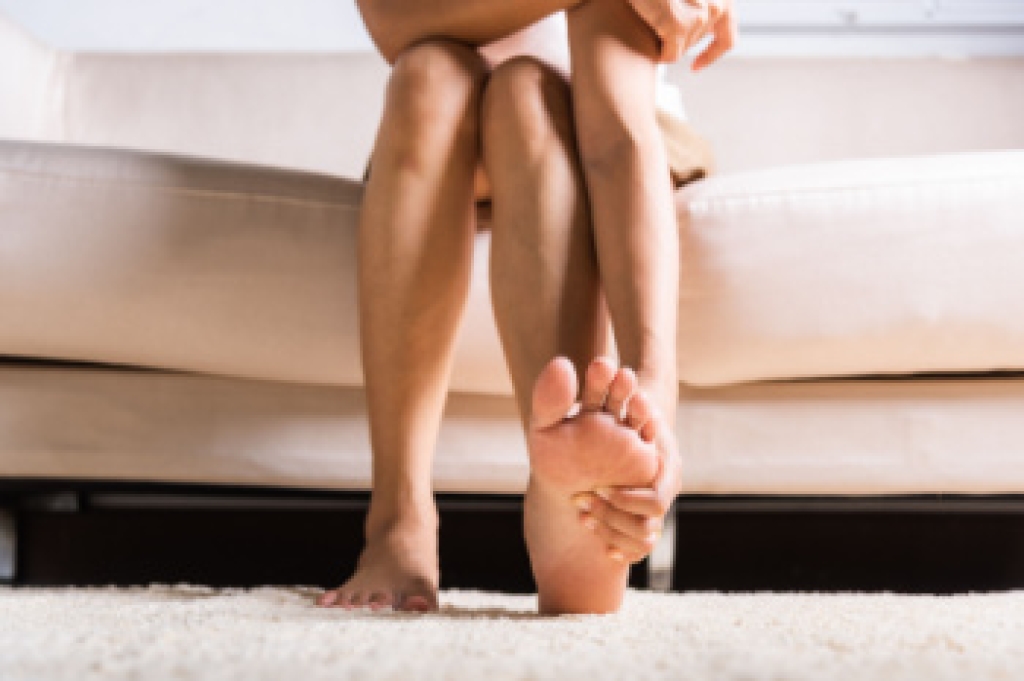
Morton’s neuroma is a painful condition that involves thickening of the tissue surrounding a nerve in the ball of the foot, often between the third and fourth toes. This can cause sharp pain that feels like something is stuck in the shoe. Other symptoms are burning, numbness, or tingling. Causes include repetitive pressure on the forefoot, wearing tight shoes, high heels, or having certain foot shapes that place added stress on the nerve. Symptoms may worsen with walking or standing for long periods. A podiatrist can assess the foot, provide proper footwear guidance, prescribe custom orthotics, and recommend treatments that reduce nerve irritation and improve comfort. If you have pain in this part of your foot, it is suggested that you consult a podiatrist who can offer effective relief and treatment solutions.

Morton’s neuroma is a very uncomfortable condition to live with. If you think you have Morton’s neuroma, contact Dr. Todd Goldberg of Complete Family Foot Care Center. Our doctor will attend to all of your foot care needs and answer any of your related questions.  

Morton’s Neuroma

Morton's neuroma is a painful foot condition that commonly affects the areas between the second and third or third and fourth toe, although other areas of the foot are also susceptible. Morton’s neuroma is caused by an inflamed nerve in the foot that is being squeezed and aggravated by surrounding bones.

What Increases the Chances of Having Morton’s Neuroma?

  • Ill-fitting high heels or shoes that add pressure to the toe or foot
  • Jogging, running or any sport that involves constant impact to the foot
  • Flat feet, bunions, and any other foot deformities

Morton’s neuroma is a very treatable condition. Orthotics and shoe inserts can often be used to alleviate the pain on the forefront of the feet. In more severe cases, corticosteroids can also be prescribed. In order to figure out the best treatment for your neuroma, it’s recommended to seek the care of a podiatrist who can diagnose your condition and provide different treatment options.

If you have any questions, please feel free to contact our office located in Littlestown, PA . We offer the newest diagnostic and treatment technologies for all your foot care needs.
Read more about What is Morton's Neuroma?

Common Foot Problems in Children

Children’s feet grow and change quickly, and sometimes issues appear that can affect comfort and movement. Flat feet, in-toeing, out-toeing, and toe walking are a few concerns parents may notice. Other common problems include heel pain from activity, ingrown toenails, or warts on the soles of the feet. While many conditions improve as a child grows, some may cause pain, difficulty walking, or poor balance, if left untreated. Because children may not always explain what they feel, parents should watch for signs such as limping, avoiding play, or wearing out shoes unevenly. Supportive shoes, proper nail care, and encouraging healthy activity can help protect young feet. Regular foot checks are also important as part of a child’s overall health. If you notice changes in your child’s feet or walking, it is suggested that you see a podiatrist for evaluation and expert guidance.

Making sure that your children maintain good foot health is very important as they grow. If you have any questions, contact Dr. Todd Goldberg of Complete Family Foot Care Center. Our doctor can provide the care you need to keep you pain-free and on your feet.

Keeping Children's Feet Healthy

Having healthy feet during childhood can help prevent medical problems later in life, namely in the back and legs. As children grow, their feet require different types of care. Here are some things to consider...

Although babies do not walk yet, it is still very important to take care of their feet.

Avoid putting tight shoes or socks on his or her feet.

Allow the baby to stretch and kick his or her feet to feel comfortable.

As a toddler, kids are now on the move and begin to develop differently. At this age, toddlers are getting a feel for walking, so don’t be alarmed if your toddler is unsteady or ‘walks funny’. 

As your child gets older, it is important to teach them how to take care of their feet.

Show them proper hygiene to prevent infections such as fungus.

Be watchful for any pain or injury.

Have all injuries checked by a doctor as soon as possible.

Comfortable, protective shoes should always be worn, especially at play.

If you have any questions, please feel free to contact our office located in Littlestown, PA . We offer the newest diagnostic and treatment technologies for all your foot care needs.

Read more about What to Do to Keep Your Child’s Feet Healthy


Connect with us
Like Us Follow Us Review Us Read Our Blogs
Copyright © Complete Family Foot Care Center, P.C | Site Map | Design by: Podiatry Content Connection