×

Bunion Facts

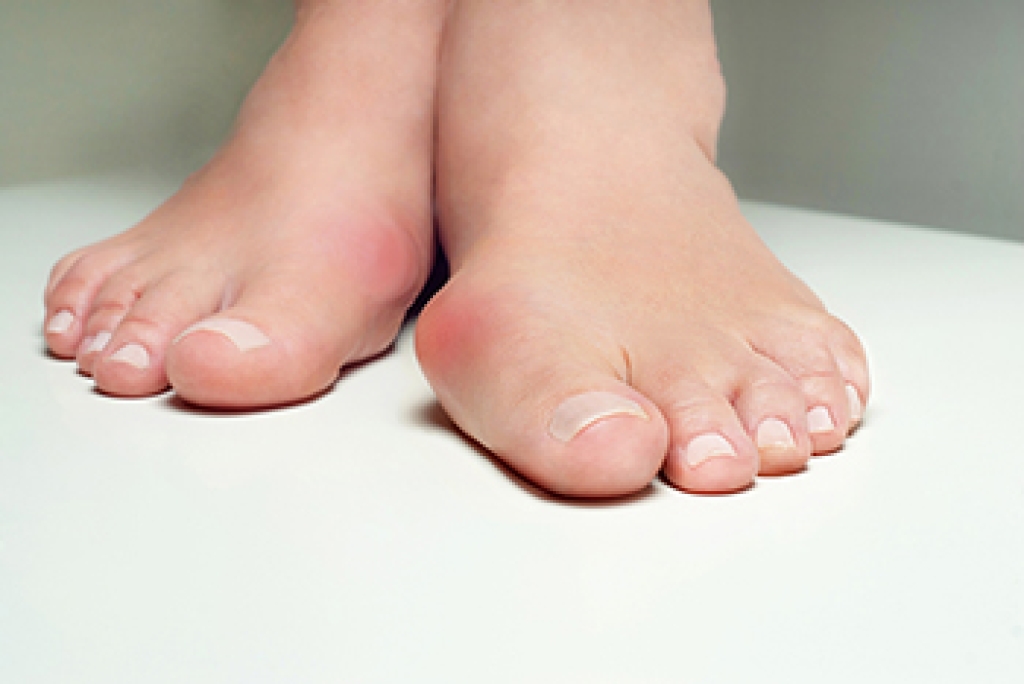
Bunions are a common foot deformity that can affect both men and women, although they are more prevalent in women who wear narrow-toed shoes. This condition involves the displacement of the joint connecting the big toe and the first metatarsal bone, causing the joint to protrude on the inner side of the foot and the big toe to deviate toward the smaller toes. Several factors contribute to the development of bunions. Genetics may play a role, as there can be a family tendency for this deformity. Abnormal foot mechanics, such as overpronation, where the foot flattens excessively and turns outward during walking, can contribute to bunion formation. Wearing tight, high-heeled shoes can worsen the condition, leading to pain due to shoe pressure and altered weight distribution. Treatment options may include medication for pain relief, protective measures to reduce pressure on the area, and orthotic devices to correct abnormal gait and prevent further deformity. In cases where deformity is severe and conservative treatments are ineffective, surgical intervention may be necessary. If you have a bunion and it is causing discomfort, it is suggested that you make an appointment with a podiatrist who can examine your foot and recommend the most suitable treatment plan.

If you are suffering from bunion pain, contact Dr. Todd Goldberg of Complete Family Foot Care Center. Our doctor can provide the care you need to keep you pain-free and on your feet.

What Is a Bunion?

Bunions are painful bony bumps that usually develop on the inside of the foot at the joint of the big toe. As the deformity increases over time, it may become painful to walk and wear shoes. Women are more likely to exacerbate existing bunions since they often wear tight, narrow shoes that shift their toes together. Bunion pain can be relieved by wearing wider shoes with enough room for the toes.

Causes

  • Genetics – some people inherit feet that are more prone to bunion development
  • Inflammatory Conditions - rheumatoid arthritis and polio may cause bunion development

Symptoms

  • Redness and inflammation
  • Pain and tenderness
  • Callus or corns on the bump
  • Restricted motion in the big toe

In order to diagnose your bunion, your podiatrist may ask about your medical history, symptoms, and general health. Your doctor might also order an x-ray to take a closer look at your feet. Nonsurgical treatment options include orthotics, padding, icing, changes in footwear, and medication. If nonsurgical treatments don’t alleviate your bunion pain, surgery may be necessary.

If you have any questions, please feel free to contact our office located in Littlestown, PA . We offer the newest diagnostic and treatment technologies for all your foot care needs.

Read more about What Are Bunions?

Causes and Effective Solutions for Ankle Pain

Ankle pain can be a persistent and debilitating issue that affects individuals of all ages and lifestyles. This discomfort often stems from a variety of factors, such as injuries resulting from accidents or sports-related activities, overuse, improper footwear, or underlying medical conditions. Understanding the root cause of ankle pain is crucial for implementing effective remedies. Resting and elevating the affected foot can provide initial relief by reducing inflammation while promoting healing. Gentle stretching and strengthening exercises under the guidance of a podiatrist can aid in rehabilitation and prevent future issues. Wearing supportive footwear with proper arch and ankle support, in addition to orthotic inserts, can provide stability and alleviate pain. It is suggested that you seek timely medical advice from a podiatrist if you have ankle pain, who can effectively diagnose and treat this condition.

Ankle pain can have many different causes and the pain may potentially be serious. If you have ankle pain, consult with Dr. Todd Goldberg from Complete Family Foot Care Center. Our doctor will assess your condition and provide you with quality foot and ankle treatment.

Ankle pain is any condition that causes pain in the ankle. Due to the fact that the ankle consists of tendons, muscles, bones, and ligaments, ankle pain can come from a number of different conditions.

Causes

The most common causes of ankle pain include:

  • Types of arthritis (rheumatoid, osteoarthritis, and gout)
  • Ankle sprains
  • Broken ankles
  • Achilles tendinitis
  • Achilles tendon rupture
  • Stress fractures
  • Tarsal tunnel syndrome
  • Plantar fasciitis

Symptoms

Symptoms of ankle injury vary based upon the condition. Pain may include general pain and discomfort, swelling, aching, redness, bruising, burning or stabbing sensations, and/or loss of sensation.

Diagnosis

Due to the wide variety of potential causes of ankle pain, podiatrists will utilize a number of different methods to properly diagnose ankle pain. This can include asking for personal and family medical histories and of any recent injuries. Further diagnosis may include sensation tests, a physical examination, and potentially x-rays or other imaging tests.

Treatment

Just as the range of causes varies widely, so do treatments. Some more common treatments are rest, ice packs, keeping pressure off the foot, orthotics and braces, medication for inflammation and pain, and surgery.

If you have any questions please feel free to contact our office located in Littlestown, PA . We offer the newest diagnostic tools and technology to treat your foot and ankle needs.

Read more about Ankle Pain

Unraveling the Facts About Adult Flat Feet

Flat feet, also known as fallen arches, are a prevalent condition that affects adults worldwide. Understanding the facts surrounding adult flat feet is crucial for proper management and maintaining foot health. Flat feet occur when the arches of the feet collapse, leading to the entire sole making contact with the ground. While some individuals are born with flat feet, others may develop the condition over time due to factors such as aging, injury, or excessive strain on the feet. Contrary to popular belief, flat feet are not always symptomatic. Many people with flat feet experience no discomfort or limitations in daily activities. However, some individuals may encounter pain, swelling, or a feeling of tiredness in the feet. Fortunately, conservative measures such as wearing supportive footwear, orthotic inserts, and performing foot strengthening exercises can alleviate symptoms and enhance foot function. In more severe cases, medical interventions may be necessary. By dispelling myths and knowing the facts, adults with flat feet can proactively care for their feet and maintain an active, pain-free lifestyle. If you have flat feet, it is suggested that you are under the care of a podiatrist who can help you to manage this condition.

Flatfoot is a condition many people suffer from. If you have flat feet, contact Dr. Todd Goldberg from Complete Family Foot Care Center. Our doctor will treat your foot and ankle needs.

What Are Flat Feet?

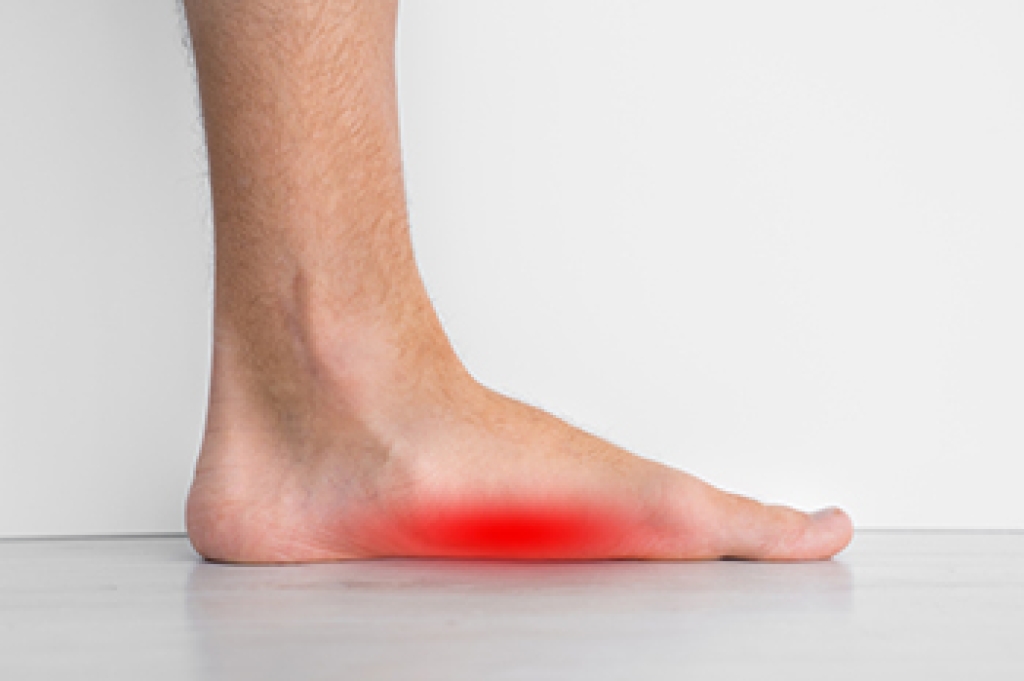
Flatfoot is a condition in which the arch of the foot is depressed and the sole of the foot is almost completely in contact with the ground. About 20-30% of the population generally has flat feet because their arches never formed during growth.

Conditions & Problems:

Having flat feet makes it difficult to run or walk because of the stress placed on the ankles.

Alignment – The general alignment of your legs can be disrupted, because the ankles move inward which can cause major discomfort.

Knees – If you have complications with your knees, flat feet can be a contributor to arthritis in that area.  

Symptoms

  • Pain around the heel or arch area
  • Trouble standing on the tip toe
  • Swelling around the inside of the ankle
  • Flat look to one or both feet
  • Having your shoes feel uneven when worn

Treatment

If you are experiencing pain and stress on the foot you may weaken the posterior tibial tendon, which runs around the inside of the ankle. 

If you have any questions, please feel free to contact our office located in Littlestown, PA . We offer the newest diagnostic and treatment technologies for all your foot care needs.

Read more about What is Flexible Flat Foot?

Are Bunions Affecting Your Everyday Life?

Have you noticed a bony protrusion on the side of your big toe? If so, you may have developed the foot condition known as a bunion. Don't let bunions interfere with your daily activities.

Podiatrists: Specialists in Foot and Ankle Care

Podiatrists are healthcare professionals specializing in the medical care and treatment of the foot and ankles. They undergo extensive education and training, obtaining doctorate degrees from accredited institutions of podiatric medicine. Podiatrists can diagnose and treat a wide range of conditions, including fractures, arthritis, diabetic foot disorders, skin, and nail conditions, and causes of heel pain, like plantar fasciitis. Podiatrists can specialize in general foot conditions, or focus on specific areas like sports medicine, wound care, orthotics, diabetes, pediatrics, geriatrics, neurologic and circulatory foot conditions, and reconstructive surgery. To become a podiatrist, one must complete a bachelor's degree, followed by a Doctor of Podiatric Medicine degree, three years of residency training, national board certification, and state licensing. Specializations can be pursued through fellowship programs and certification exams. Podiatrists are considered physicians, possessing a comprehensive understanding of human anatomy, physiology, and systemic diseases, with their expertise solely focused on foot and ankle disorders. They differ from orthopedists, who treat musculoskeletal issues affecting the entire body. If you have any interest in becoming a podiatrist, it is suggested that you make an appointment to speak to one about their experiences.

If you are dealing with pain in your feet and ankles, you may want to seek help from a podiatrist. Feel free to contact Dr. Todd Goldberg from Complete Family Foot Care Center. Our doctor can provide the care you need to keep you pain-free and on your feet.

What Is a Podiatrist?

A podiatrist diagnoses and treats conditions of the foot, ankle, and related structures of the leg. Your podiatrist may specialize in a certain field such as sports medicine, wound care, pediatrics, and diabetic care. Podiatrists have the ability to become board certified through training, clinical experience, and then taking an exam.

What Do Podiatrists Do?

On a daily basis, a podiatrist may perform the following activities:

  • Diagnose foot ailments such as ulcers, tumors, fractures, etc.
  • Use innovative methods to treat conditions
  • Use corrective orthotics, casts, and strappings to correct deformities
  • Correct walking patterns and balance
  • Provide individual consultations to patients

It is very important that you take care of your feet. It’s easy to take having healthy feet for granted, however foot problems tend to be among the most common health conditions. Podiatrists can help diagnose and treat a variety of feet related conditions, so it is crucial that you visit one if you need assistance.

If you have any questions, please feel free to contact our office located in Littlestown, PA . We offer the newest diagnostic and treatment technologies for all your foot care needs.

Read more about What is a Podiatrist?


Connect with us
Like Us Follow Us Review Us Read Our Blogs
Copyright © Complete Family Foot Care Center, P.C | Site Map | Design by: Podiatry Content Connection