×

Fabry Disease and Its Impact on Foot Health

Fabry disease is a rare genetic disorder caused by a deficiency of an enzyme needed to break down certain fatty substances in the body. This buildup can affect multiple organs, including the nerves and blood vessels in the feet. Individuals may experience burning pain, tingling, numbness, and sensitivity to temperature, which can interfere with daily activities. Symptoms often begin in childhood or adolescence and may worsen over time. This condition is inherited. A podiatrist can help manage foot-related symptoms by assessing nerve function, recommending protective footwear, and providing strategies to reduce discomfort and prevent complications. Early recognition and care are important for maintaining mobility. If you have symptoms of Fabry disease, it is suggested that you consult a podiatrist who can provide an accurate diagnosis and treatment.

Some foot conditions may require additional professional care. If you have any concerns, contact Dr. Todd Goldberg of Complete Family Foot Care Center. Our doctor can provide the care you need to keep you pain-free and on your feet.

Rare Foot Conditions

The majority of foot conditions are common and can be treated by a podiatrist.  Standard diagnostic procedures are generally used to identify specific conditions and treatment can be rendered. A podiatrist also treats rare foot conditions which can be difficult to diagnose and may need extra attention and care. 

There are many rare foot conditions that can affect children. Some of these can include:

  • Freiberg’s disease
  • Kohler’s disease
  • Maffucci syndrome

Freiberg’s disease - This can be seen as a deterioration and flattening of a metatarsal bone that exists in the ball of the foot. It typically affects pre-teen and teenage girls, but can affect anyone at any age. Symptoms that can accompany this can be swelling, stiffness, and the patient may limp. 

Kohler’s disease - This often targets the bone in the arch of the foot and affects younger boys. It can lead to an interruption of the blood supply which ultimately can lead to bone deterioration. The patient may limp or experience tenderness, swelling, and redness.

Maffucci syndrome - This affects the long bones in a child’s foot leading to the development of abnormal bone lesions. They are benign growths and typically develop in early childhood and the bones may be susceptible to breaking. 

A podiatrist can properly diagnose and treat all types of rare foot conditions. If your child is affected by any of these symptoms or conditions, please don’t hesitate to call our office so the correct treatment method can begin.

If you have any questions, please feel free to contact our office located in Littlestown, PA . We offer the newest diagnostic and treatment technologies for all your foot care needs.
Read more about Rare Foot Conditions

Hammertoe and How It Affects the Toes

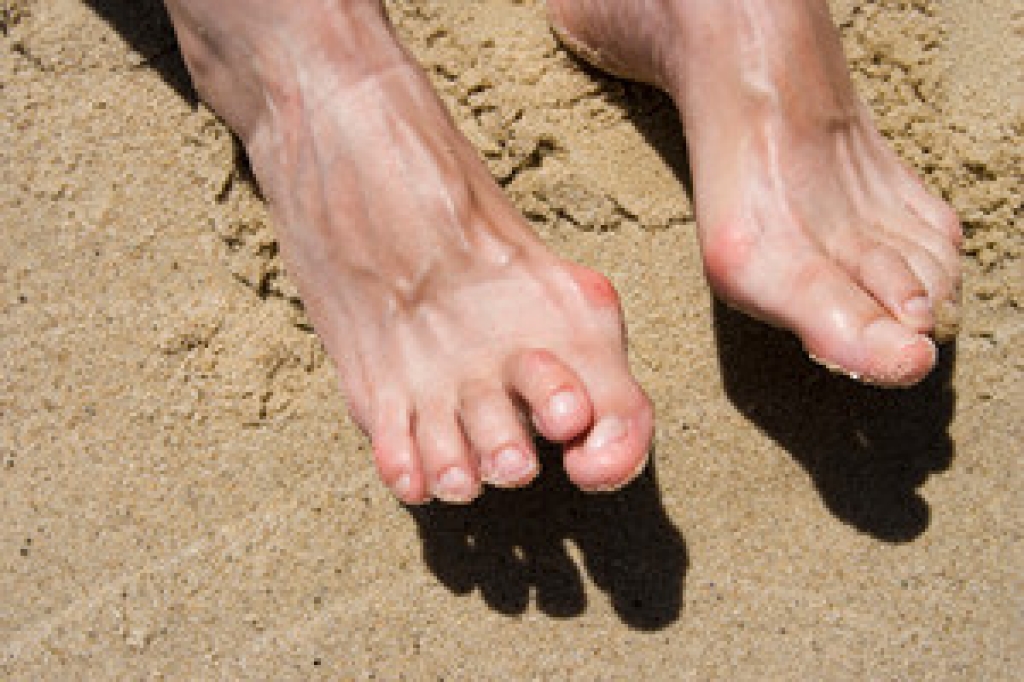
A hammertoe is a deformity in which one of the smaller toes bends abnormally at the middle joint, creating a curled or hammer-like appearance. It often develops gradually and can become more rigid over time, if left untreated. Common causes include muscle imbalance, improper footwear that crowds the toes, and underlying foot structure issues. Symptoms include pain, corns, calluses, redness, and difficulty wearing shoes comfortably. The affected toe may appear raised at the joint and pressed downward at the tip. A podiatrist can help by evaluating the deformity, recommending proper footwear, providing supportive treatments, and addressing underlying causes. If you have signs of hammertoe, it is suggested that you consult a podiatrist who can offer effective relief solutions, while helping you to manage this condition.

Hammertoe

Hammertoes can be a painful condition to live with. For more information, contact Dr. Todd Goldberg from Complete Family Foot Care Center. Our doctor will answer any of your foot- and ankle-related questions.

Hammertoe is a foot deformity that affects the joints of the second, third, fourth, or fifth toes of your feet. It is a painful foot condition in which these toes curl and arch up, which can often lead to pain when wearing footwear.

Symptoms

  • Pain in the affected toes
  • Development of corns or calluses due to friction
  • Inflammation
  • Redness
  • Contracture of the toes

Causes

Genetics – People who are genetically predisposed to hammertoe are often more susceptible

Arthritis – Because arthritis affects the joints in your toes, further deformities stemming from arthritis can occur

Trauma – Direct trauma to the toes could potentially lead to hammertoe

Ill-fitting shoes – Undue pressure on the front of the toes from ill-fitting shoes can potentially lead to the development of hammertoe

Treatment

Orthotics – Custom made inserts can be used to help relieve pressure placed on the toes and therefore relieve some of the pain associated with it

Medications – Oral medications such as anti-inflammatories or NSAIDs could be used to treat the pain and inflammation hammertoes causes. Injections of corticosteroids are also sometimes used

Surgery – In more severe cases where the hammertoes have become more rigid, foot surgery is a potential option

If you have any questions, please feel free to contact our office located in Littlestown, PA . We offer the newest diagnostic and treatment technologies for all your foot care needs.
Read more about Hammertoe

Using Ultrasound to Evaluate Heel Pain in Active Patients

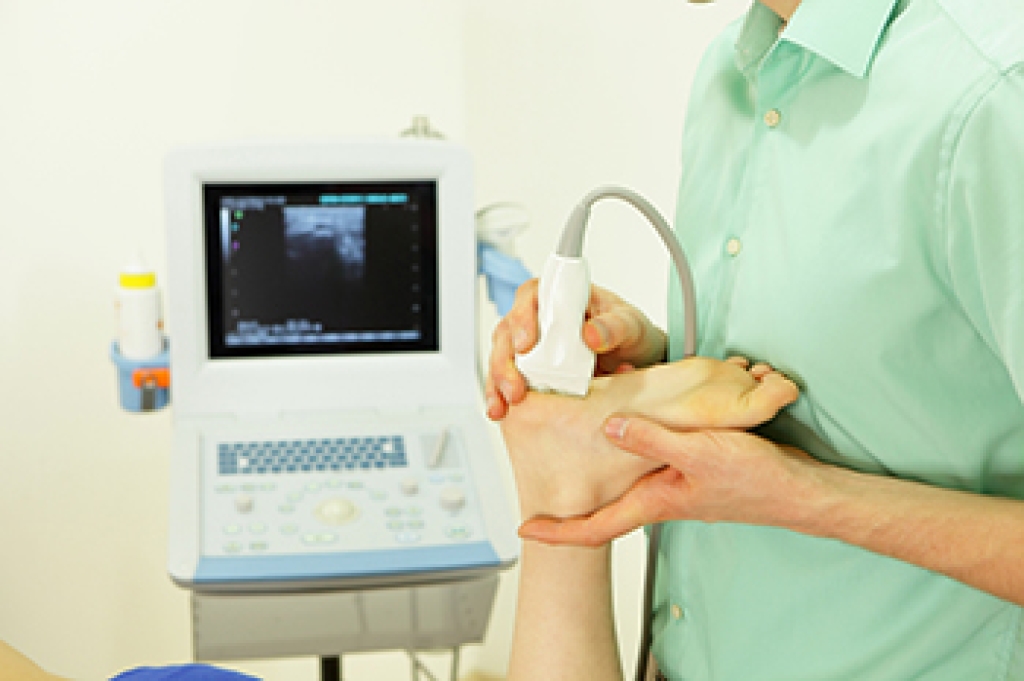
Heel pain in children and adults can come from different causes, including Sever’s disease, a growth-related condition in young athletes involving inflammation at the heel growth plate, and Achilles tendinitis, which involves irritation of the tendon at the back of the heel. Although symptoms may feel similar, the source of the problem is different, making accurate evaluation important. Ultrasound imaging offers a clear, real-time view of soft tissues, allowing providers to assess inflammation, tendon changes, and areas of stress without radiation. This helps guide more precise care by identifying whether the growth plate or the tendon is involved. Treatment may include activity modification, stretching, supportive footwear, or other targeted approaches based on the findings. Early and accurate identification can help prevent worsening symptoms and support a safe return to activity. If heel pain is limiting movement or performance, it is suggested that you see a podiatrist for a thorough evaluation, diagnosis, and treatment.

Many people suffer from bouts of heel pain. For more information, contact Dr. Todd Goldberg of Complete Family Foot Care Center. Our doctor can provide the care you need to keep you pain-free and on your feet.

Causes of Heel Pain

Heel pain is often associated with plantar fasciitis. The plantar fascia is a band of tissues that extends along the bottom of the foot. A rip or tear in this ligament can cause inflammation of the tissue.

Achilles tendonitis is another cause of heel pain. Inflammation of the Achilles tendon will cause pain from fractures and muscle tearing. Lack of flexibility is also another symptom.

Heel spurs are another cause of pain. When the tissues of the plantar fascia undergo a great deal of stress, it can lead to ligament separation from the heel bone, causing heel spurs.

Why Might Heel Pain Occur?

  • Wearing ill-fitting shoes                
  • Wearing non-supportive shoes
  • Weight change           
  • Excessive running

Treatments

Heel pain should be treated as soon as possible for immediate results. Keeping your feet in a stress-free environment will help. If you suffer from Achilles tendonitis or plantar fasciitis, applying ice will reduce the swelling. Stretching before an exercise like running will help the muscles. Using all these tips will help make heel pain a condition of the past.

If you have any questions, please feel free to contact our office located in Littlestown, PA . We offer the newest diagnostic and treatment technologies for all your foot care needs.

Read more about Heel Pain

Dealing With Heel Spurs

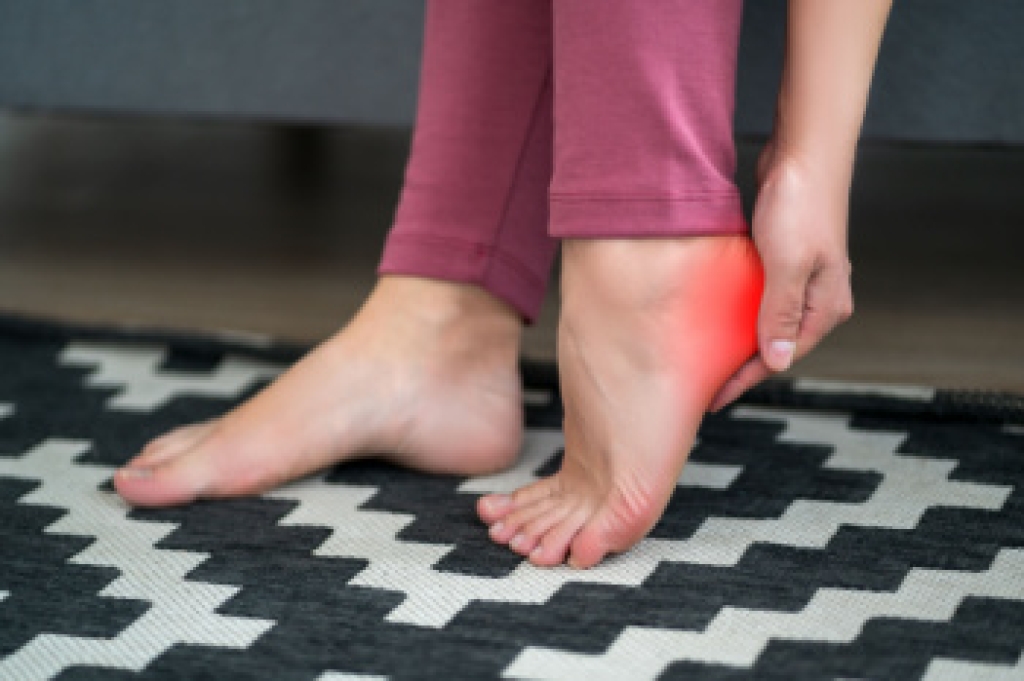
Heel bone spurs are growths that form on the underside or back of the heel, often developing gradually due to repeated strain on the foot. They are commonly associated with plantar fasciitis, where ongoing tension on the plantar fascia leads to calcium deposits building up over time. Many people do not notice the spur itself, but instead feel sharp or aching pain in the heel, especially with the first steps in the morning or after rest. Contributing causes include long periods of standing, improper footwear, flat feet or high arches, and tight calf muscles that increase stress on the heel. The area may feel tender and sore, though the spur is not always visible externally. A podiatrist can diagnose heel spurs through examination and X-rays. Treatment focuses on reducing strain with supportive shoes, custom orthotics, and targeted exercises. If you have heel pain related to bone spurs, it is suggested that you make an appointment with a podiatrist.

Heel spurs can be incredibly painful and sometimes may make you unable to participate in physical activities. To get medical care for your heel spurs, contact Dr. Todd Goldberg from Complete Family Foot Care Center. Our doctor will do everything possible to treat your condition.

Heels Spurs

Heel spurs are formed by calcium deposits on the back of the foot where the heel is. This can also be caused by small fragments of bone breaking off one section of the foot, attaching onto the back of the foot. Heel spurs can also be bone growth on the back of the foot and may grow in the direction of the arch of the foot.

Older individuals usually suffer from heel spurs and pain sometimes intensifies with age. One of the main condition's spurs are related to is plantar fasciitis.

Pain

The pain associated with spurs is often because of weight placed on the feet. When someone is walking, their entire weight is concentrated on the feet. Bone spurs then have the tendency to affect other bones and tissues around the foot. As the pain continues, the feet will become tender and sensitive over time.

Treatments

There are many ways to treat heel spurs. If one is suffering from heel spurs in conjunction with pain, there are several methods for healing. Medication, surgery, and herbal care are some options.

If you have any questions, please feel free to contact our office located in Littlestown, PA . We offer the newest diagnostic and treatment technologies for all your foot care needs.

Read more about Heel Spurs

Are You Suffering From Ingrown Toenails?

If left untreated, an ingrown toenail can lead to more serious concerns, such as an infection. Knowing proper nail care can help in the prevention of an ingrown toenail. Give us a call, and get treated!


Connect with us
Like Us Follow Us Review Us Read Our Blogs
Copyright © Complete Family Foot Care Center, P.C | Site Map | Design by: Podiatry Content Connection